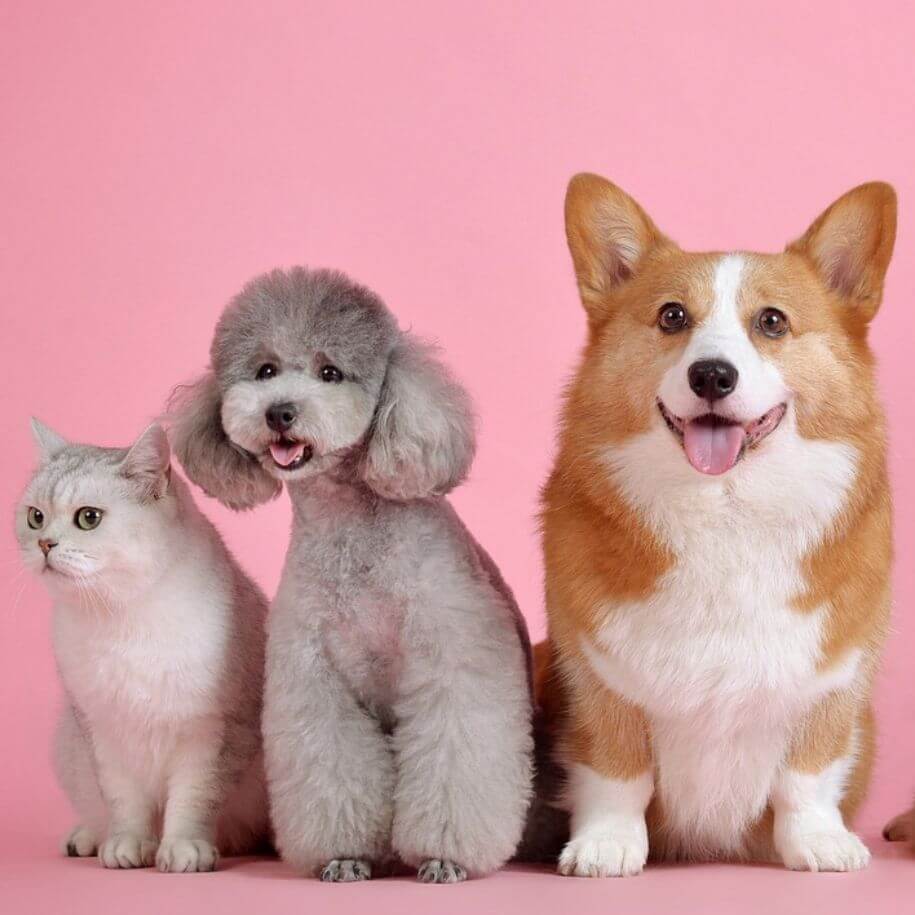


Dogs come in many shapes, sizes, and personalities. In the UK, dogs are officially classified by The Kennel Club into seven main groups, based on what they were originally bred to do. Understanding these types of dogs can help you choose the right breed for your lifestyle, home, and experience level—especially if you’re a first-time dog owner.
What Are the 7 Main Types of Dogs?
The Kennel Club sorts purebred dogs into seven official groups based on the role they were selectively bred to perform:
-
Working Group
-
Pastoral Group
-
Gundog Group
-
Terrier Group
-
Toy Group
-
Utility Group
Each group contains canines with a shared history, physical appearance and typical temperament. Below you’ll find easy explanations, example breeds and tips for modern dog owners.
1. Working Group – Strong, Loyal, and Task-Oriented
Bred for guarding, drafting and rescue, these working dogs have great strength, keen instincts and excellent problem‑solving skills. Many rate among the smartest dog breeds and shine in obedience training.
Common Traits:
-
Highly trainable with excellent problem solving skills
-
Often large in size
-
Require mental stimulation and daily exercise
Examples:
-
Rottweilers – Strong protectors and great family pets
-
Boxers – Energetic, affectionate, and ideal for active homes
-
Newfoundland – Known for water rescues and gentle nature
Best for:
-
Active owners
-
Homes with gardens
-
Not ideal for low-activity households
Exercise needs: High (60–90 minutes daily)
Health watch-outs: Hip dysplasia, joint strain
2. Pastoral Group – Intelligent and Agile
Originally herding dogs, these dog breeds helped move livestock, especially cattle and sheep. They’re now among the most intelligent dog breeds, known for their quick learning and obedience.
Common Traits:
-
Responsive to commands
-
Thrive with agility competitions
-
Need plenty of exercise and tasks
Examples:
-
Border Collie – Often listed as the smartest dog breed [Stanley Coren, The Intelligence of Dogs]
-
German Shepherd – A versatile working and family dog
-
Australian Shepherds – Bred in the U.S., but descended from British and European herding lines
Best for:
-
Owners who enjoy training
-
Active families
-
Not ideal for busy or sedentary lifestyles
Exercise needs: High + mental enrichment
Behaviour note: May try to “herd” children or other pets
3. Gundog Group – Eager, Friendly, and Loyal
Also known as sporting dogs, these breeds were developed to assist hunters by retrieving, flushing, or pointing. Their friendly nature makes them ideal family members.
Traits:
-
Good with children
-
Enjoy being active companions
Examples:
-
Labrador Retriever – Among the most popular dog breeds in the UK
-
Golden Retrievers – Excellent therapy dogs and family pets
-
German Shorthaired Pointer – A top hunting dog with endurance and obedience
Best for:
-
First-time dog owners
-
Families with children
-
Active but relaxed homes
Exercise needs: Medium–high
Health watch-outs: Ear infections, obesity (in food-motivated breeds)
4. Terrier Group – Spirited and Brave
Terriers were bred to hunt vermin and small game. They're often bold, energetic, and curious—making them lively companions.
Traits:
-
Strong-willed and clever
-
Suited for experienced pet parents
Examples:
-
Miniature Schnauzer – One of the three schnauzer breeds, great for small homes
-
West Highland Terriers – Compact, affectionate, and great with families
-
Yorkshire Terrier – A lap dog with a big personality
Best for:
-
Experienced owners
-
Active households
-
Not ideal for homes with small pets
Exercise needs: Medium–high
Behaviour note: Strong prey drive
5. Hound Group – Masters of Scent and Sight
Hounds were originally hunting dogs, bred to track game either by scent or sight. They’re independent thinkers with a strong prey drive.
Traits:
-
High energy and endurance
-
May not always be easy to train due to independent streak
Examples:
-
Beagle – Friendly, vocal, and great with kids
-
Greyhound – The fastest breed, known for gentle temperaments
-
Basenji – An ancient African breed, known for being “barkless”
Best for:
-
Patient owners
-
Secure gardens
-
Off-lead walking can be challenging
Exercise needs: Medium
Training tip: Use secure leads and enclosed spaces
6. Utility Group – A Mix of Unique Purposes
The Utility Group includes breeds that don’t fit neatly into other categories. These different breeds were bred for various tasks—from guarding to circus performing.
Examples:
-
French Bulldog – A popular breed with a lovable, playful nature
-
Dachshund – Originally bred for badger hunting, now a beloved pet
-
Poodles – Versatile, intelligent, and great for allergies (especially the Miniature)
Best for:
-
Owners who research breed-specific needs
-
Varied lifestyles
Exercise needs: Varies by breed
Tip: Always research the individual breed, not just the group
7. Toy Group – Small Size, Big Personality
Bred mainly as companion animals, toy dogs are perfect for apartment living and those seeking affectionate lap dogs.
Traits:
-
Ideal for smaller living situations
-
Require socialization to avoid barking
Examples:
-
Chihuahuas – Small but full of attitude
-
Shih Tzu – Loyal, friendly, and great with children
-
Bichon Frise – A hypoallergenic dog known for its cheerful nature
Best for:
-
Flats and apartments
-
Older owners or low-impact lifestyles
-
Fragile around very young children
Exercise needs: Low–medium
Health watch-outs: Dental issues, breathing problems (flat-faced breeds)
Choosing the Right Type of Dog for Your Lifestyle
|
Lifestyle |
Breeds that fit |
Why it works |
|---|---|---|
|
City flat, busy job |
Toy dogs like Chihuahua, French Bulldog |
Low exercise needs; happy in small rooms |
|
Family with kids & garden |
Gundogs (Labrador Retrievers, Cocker Spaniel) |
Gentle, trainable, love games with children |
|
Outdoor adventurer |
Pastoral or Working breeds (e.g., Border Collie, Weimaraner) |
Stamina for hikes, eager to learn commands |
|
Quiet retiree |
Hounds such as Greyhound |
Calm indoors, short bursts of speed outside |
Mixed-Breed Dogs and Crossbreeds
Crossbreeds (like Labradoodles or Cockapoos) are not officially part of a Kennel Club group, but they often inherit traits from both parent breeds.
Pros:
-
Unique personalities
-
Often healthier due to genetic diversity
Cons:
-
Temperament and size can be less predictable
Legal & Welfare Essentials for UK Dog Owners
All dogs in the UK must:
-
Be microchipped by 8 weeks old
-
Have up-to-date contact details registered
Failure to comply can result in fines of up to £500.
Some dog types are also restricted or banned under UK law. Always check current government guidance before choosing a breed.
FAQs
What are the 57 varieties of dogs?
It’s a joke borrowed from Heinz—there is no official list of 57. Today the Kennel Club tracks 222 pedigree breeds, while the American Kennel Club (AKC) records 201.
Are there 100 dog breeds?
Yes—far more. Add emerging crosses and the number of different dog breeds in the world easily tops 400.
What is the top 10 most popular dog?
The 2024 AKC chart puts the French Bulldog first, followed by Labrador Retrievers, Golden Retrievers, German Shepherds, Poodles, Dachshunds, Bulldogs, Beagles, Rottweilers and the German Shorthaired Pointer.
Conclusion
Understanding the different types of dogs helps you choose a pet that truly fits your lifestyle—not just one that looks cute. By matching a dog’s original purpose with your daily routine, home size, and activity level, you’ll set both you and your dog up for a happier life together.