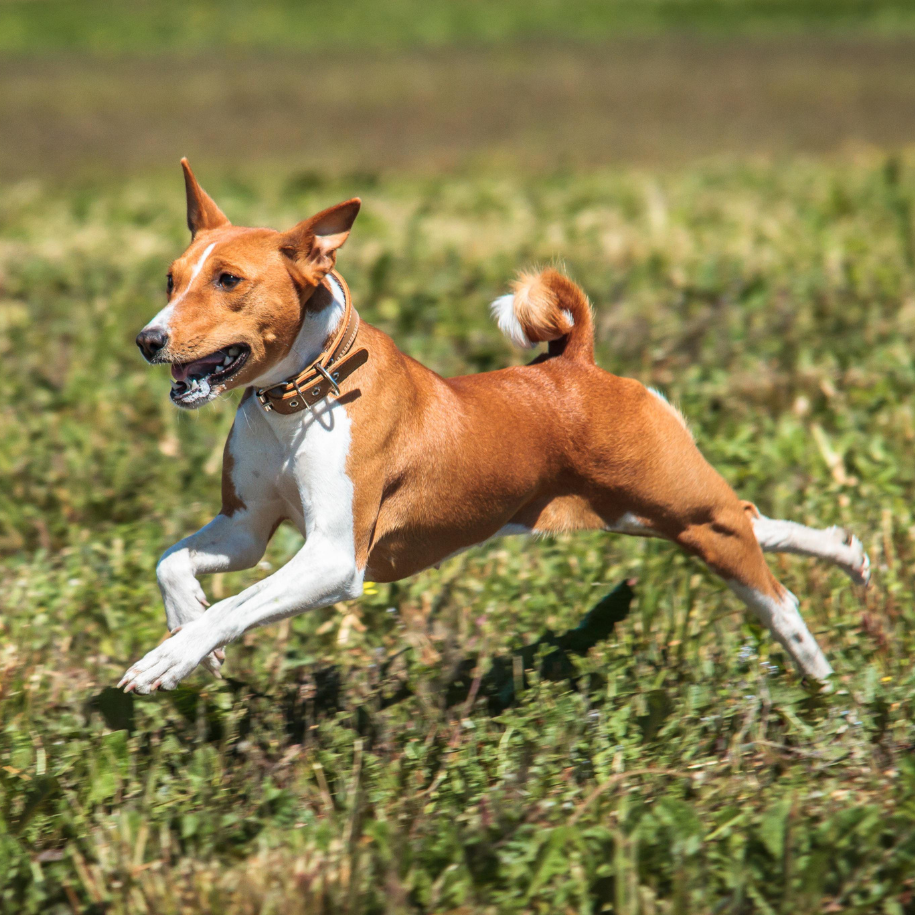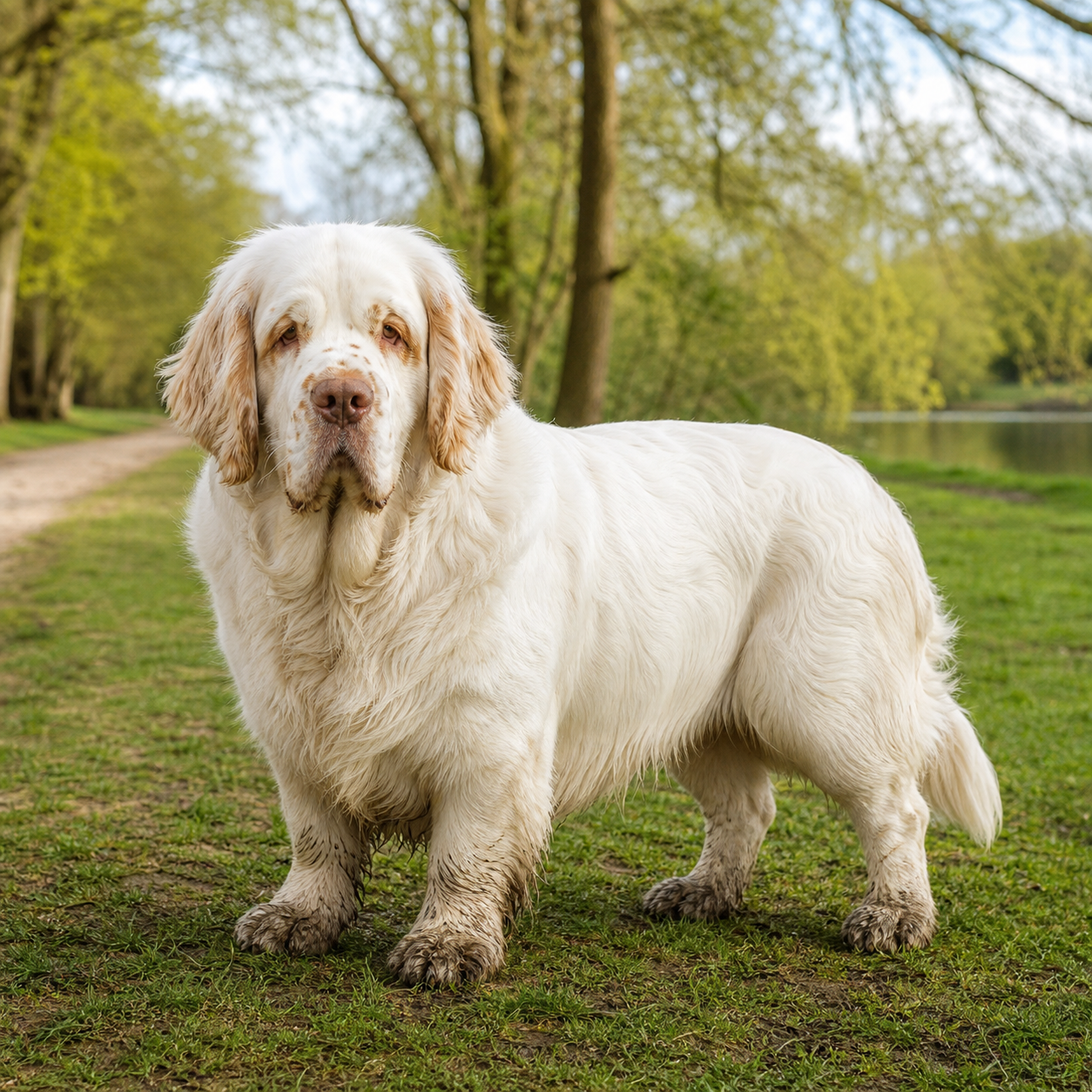


If you are searching for Lurcher Dog Breed Information and Characteristics, here is the honest version: a Lurcher can be a sofa-loving sweetheart and a lightning-fast chaser in the same afternoon. That mix is exactly why people in the UK fall for them, especially through rescue. They are often gentle, funny, affectionate dogs, but they need owners who respect their speed, prey drive, and sensitive nature.
Lurcher at a Glance
Need the quick version before you fall down the rabbit hole? Fair. Lurchers vary more than many dog breeds, but the same themes come up again and again: speed, softness, sleep, and a chase instinct that deserves respect.
|
Trait |
Typical Lurcher profile |
|
Breed type |
Sighthound cross, not a standard pedigree breed |
|
Common mix |
Greyhound, Whippet, Saluki, or Deerhound crossed with Collie, Terrier, or another working breed |
|
Size |
Usually medium to large, but it depends on the cross |
|
Weight |
Often around 9-40 kg, based on Woodgreen's breed profile |
|
Lifespan |
Commonly 12-15 years |
|
Coat type |
Smooth, rough, broken, wire-haired, or longer coat types can all appear | |
|
Grooming |
Usually low maintenance, with regular brushing |
|
Exercise |
Daily walks plus short bursts of safe running |
|
Training |
Intelligent, sometimes independent, best with reward-based training |
|
Best for |
Calm homes, rescue-minded owners, people who enjoy walks and quiet indoor company |
|
Watch-outs |
Strong prey drive, cold weather, recall, cats, rabbits, and low fencing |

What Is a Lurcher?
A Lurcher is a cross between a sighthound breed and another breed or working breed. The sighthound side is often Greyhound, Whippet, Saluki, or Deerhound; the other side may be a Terrier, Collie, herding dog, or another hound mix. That means "Lurcher" is a type of dog, not one fixed pure breed with one set look.
A Lurcher is a mixed dog, usually a sighthound such as a Greyhound, Whippet, or Saluki crossed with another breed, often a Terrier or Collie. Lurchers tend to be fast, intelligent, affectionate, and variable in size, coat type, and personality.
Dogs Trust describes the Lurcher as a sighthound crossed with another dog breed, which explains why one Lurcher may look like a smooth Greyhound while another has a rough, scruffy coat. Woodgreen explains that Lurchers combine traits from sighthounds and another working breed, so you should expect variety, not a carbon copy.
Is a Lurcher a sighthound breed?
Yes and no. A Lurcher usually has sight hound blood, but it is not a single pedigree sighthound breed. Think of it as a sighthound cross. That matters because the sighthound part brings speed, sharp eyesight, and a strong instinct for chasing prey, while the Collie or Terrier side can add brains, stamina, tenacity, or a bolder personality.
In my experience with sighthound-type rescue dogs, this is the part people underestimate. They see a sleepy dog curled up like a comma and assume "easy". Then a rabbit moves. Game over. The dog who looked half-asleep suddenly has the speed of a small rocket and the focus of a hunter.
That does not make Lurchers bad pets. Far from it. It just means the breed information needs to be read as a range. Every dog is shaped by their mix, early life, training, health, and owner, so meet the actual dog in front of you.
Lurcher History
Lurchers have working roots in Britain and Ireland, and their history explains a lot about their modern traits. They were not created for neat show-ring sameness. They were bred for function: speed from the sighthound side, plus cleverness, grit, coat protection, or trainability from another working dog.
Purina UK traces Lurcher origins back to around the 14th century and links them with working sighthounds, hunting, rabbiting, and poaching history. That background is why many Lurchers still have the odd mix of traits owners talk about: quiet indoors, alert outside, quick to spot movement, and very interested in anything small and fast.
There is also a useful distinction between a Lurcher and a Longdog. Southern Sighthound Rescue explains that a Lurcher is a sighthound crossed with a non-sighthound breed, such as a Collie or Terrier, while a Longdog is a cross between two sighthound breeds. In real rescue life, labels can get fuzzy. The dog will not care what humans call the family tree.
Modern Lurchers are often companion dogs and rescue dogs rather than working dogs. Still, history leaves fingerprints.
Lurcher Personality and Home Life
Lovely Lurchers are often gentle, loyal, sensitive, and deeply affectionate. Many are quiet in the house, happy to sleep for hours, and very skilled at finding the softest place in the room. If you already have a sofa, they will inspect it. If you have a dog bed, they may still inspect the sofa first.

Are Lurchers lazy dogs? Sometimes, absolutely. They can be quite lazy dogs indoors, especially adults who have had their walks, a chance to sniff, and a safe short burst of exercise. But calling them lazy without context is unfair. They are sprinters, not all-day plodders. They tend to save their energy, spend it in flashes, then go back to sleep as if nothing happened.
|
Myth |
Reality |
|
Lurchers need endless exercise |
Many adults do well with daily walks plus safe sprint time |
|
Lurchers are always lazy |
They can be calm indoors but explosive outdoors |
|
Lurchers suit every pet home |
Their prey drive can be risky around cats, rabbits, and small animals |
|
Lurchers are too sensitive for family life |
Many suit calm families with respectful children |
With children, the key word is calm. A Lurcher can be a lovely family dog in a steady house where children know not to climb on dogs, grab ears, disturb sleep, or play rough. Small children need active supervision around any dog, and younger Lurchers can be bouncy enough to knock them over by accident. No drama, just physics.
Other dogs are often easier than other pets. Many Lurchers enjoy the company of other dogs, especially sighthound types. Cats are more complicated. Some Lurchers can live with a confident cat after careful introductions, but many cannot. Rabbits, guinea pigs, and other small animals are usually a poor match because they can trigger chasing.
Exercise, Prey Drive and Safe Walks
So, how much exercise does a Lurcher need? For many healthy adult Lurchers, a good target is 30-60 minutes a day, split into walks, sniffing, and a chance to run in a secure place.
|
Need |
What to do |
|
Walks |
Two calm walks, with sniffing time built in |
|
Sprinting |
Short bursts in a fully fenced field or secure garden |
|
Brain work |
Scent games, puzzle feeding, training sessions, or interactive dog toys |
|
Safety |
Well-fitted walking gear, strong lead, long line only where safe |
|
Rest |
Warm, quiet sleep space after exercise |
For lead walks, use gear that fits the long, narrow Lurcher shape. A secure lead setup matters, especially if your dog startles or spots prey. This is not about control for control's sake; it is about keeping a fast dog safe in the real world.


Can Lurchers live with cats and other pets? Some can, especially if raised with cats or assessed carefully by a rescue. But I would never promise it. A cat running across the room, a rabbit in the garden, or a squirrel on a walk can be too much temptation. If you already have small animals, speak honestly with the rescue or breeder before adopting.
Training Lurchers: Recall, Settling and Confidence
Training Lurchers works best when it is kind, clear, and short. PDSA recommends reward-based training because dogs repeat behaviour that earns something they value. That suits Lurchers well. Use tiny treats, calm praise, a dog toy, or access to sniffing as payment. Keep training sessions to 5-10 minutes at first. Stop while the dog still wants more.
Are Lurchers easy to train? They can be. They are intelligent dogs, and many learn fast. But they are not always eager in the biddable Collie way. Some will look at you, look at the reward, look at the open field, and make a business decision. I respect that. I also train for it.
Start with five priorities:
1. Name response: the dog turns to you when they hear their name.
2. Recall: practised indoors, then in the garden, then on a long line.
3. Loose lead walking: reward beside you before pulling starts.
4. Settle: teach the dog to relax on a mat or bed.
5. Leave it: useful for food, cats, dropped snacks, and mystery pavement items.
Training classes can help, but choose carefully. Look for reward-based classes that do not use shouting, punishment, choke chains, or fear. A nervous rescue dog may need one-to-one help before a busy group class. That is not failure. That is good judgement.
Lurcher Health Issues
Most Lurchers are fairly healthy, but "mixed breed" does not mean "health problem free". The risks depend on the individual dog, their parent breeds, body shape, age, and past care. Rescue Lurchers may also arrive with old injuries, dental neglect, poor muscle tone, or weight issues that need patient sorting.
Bloat (GDV)
Bloat, or GDV, is the one health issue I would put in the "learn the signs before you need them" box. GDV is when the stomach fills with gas and twists, and that it mainly affects large, deep-chested dogs. Some Lurchers have that deep chest. Watch for unproductive retching, sudden restlessness, drooling, a swollen or tight belly, pale gums, collapse, or breathing trouble. Do not wait to see if it passes. Call your vet or an emergency vet immediately.
Arthritis and stiffness
Arthritis can show up in older Lurchers, dogs with old racing or working injuries, and rescue dogs whose history is patchy. PDSA describes arthritis as a painful joint condition that can cause stiffness, limping, slower walks, low energy, and reluctance to jump or climb stairs.
The home plan is usually simple, but it has to be steady: keep your dog slim, avoid sudden hard exercise, use short controlled walks, and speak to your vet about pain relief. A supportive orthopedic dog bed can also help an older Lurcher get up more comfortably after sleep. Small upgrade. Big difference.
Cuts, scrapes and thin skin
Lurchers can move fast and turn sharply, and many have thin skin over long legs and a lean chest. That is not a great combination with brambles, wire, rough woodland, or overexcited play with other dogs. A tiny nick can look dramatic. A deeper tear can be worse than it first seems.
After off-lead running in a secure area, run your hands over the legs, chest, belly, ears, and paws. PDSA's wound advice says deep, large, painful, heavily bleeding, or infected wounds should be checked by a vet. For small grazes, keep them clean and watch for heat, swelling, redness, discharge, or licking.
Dental disease
Dental disease is easy to miss because many dogs keep eating even when their mouth hurts. Lurchers, Greyhound types, and older rescue dogs can arrive with tartar, sore gums, broken teeth, or breath that could clear a room. Glamorous? No. Common? Very.
PDSA's dental disease guide recommends regular mouth checks, at least yearly vet checks, and daily brushing where possible. Signs to watch for include bad breath, red gums, drooling, chewing on one side, dropped food, weight loss, or pawing at the mouth.
Paw corns
Paw corns are one of those sighthound problems that can make owners feel slightly baffled. The dog may seem fine on grass, then limp badly on pavements or gravel. That "stone in the shoe" look is worth taking seriously.
Veterinary Evidence discusses recurring pedal corns in Greyhounds and sighthounds, noting that the evidence around treatment is still limited. Translation for owners: do not try to dig a corn out yourself. Ask a vet who understands sighthound feet, especially if your Lurcher starts avoiding hard ground.
Cold sensitivity
Cold sensitivity is not a disease, but for Lurchers it belongs in the health section because it affects comfort, walks, sleep, and recovery. Slim bodies, short coats, and low body fat mean some dogs chill quickly in UK rain, wind, and winter mornings.
RSPCA advises extra care for short-coated, slim, young, old, or unwell dogs in cold weather. For a Lurcher, that can mean a well-fitting coat, drying them after wet walks, shorter outings on icy days, and a warm bed away from draughts. Watch the dog in front of you: shivering, tucked posture, reluctance to move, or seeking heat are all clues.
Food, Grooming and Coat Type
Lurcher food needs depend on age, size, activity, fitness, and weight. A young, bouncy Lurcher puppy from an active litter may need a different plan from a chilled adult rescue dog who spends most of life asleep under a blanket. Use the food label as a start, then check body shape every week. That matters with Lurchers because they are naturally lean. Visible muscle and a tucked waist can be normal. Sharp hips, obvious spine, dull coat, or low energy are not things to ignore. If in doubt, ask your vet.
Grooming is usually low maintenance, but not no maintenance. Coat type varies. Smooth-coated Lurchers may need a quick weekly brush, while rough-coated or feathered dogs may need more regular brushing to stop tangles and remove loose hair. Check ears, nails, teeth, paws, and skin. Thin skin can pick up cuts and scrapes during fast play, so run your hands over them after rough ground or woodland walks.
Cold weather is another big one for UK owners. Many Lurchers have slim bodies and short coats, so they feel the cold faster than heavier, double-coated dogs. RSPCA advises extra care for short-coated, slim, young, old, or unwell dogs in winter. For a Lurcher, that may mean a dog cold weather coat, drying them after wet walks, and giving them a warm place to sleep.

Common care checks:
-
Brush weekly, or more often for rough and longer coat types.
-
Keep nails short, especially if the dog sprints on soft ground.
-
Check paws for cuts, grit, corns, and sore pads.
-
Feed to body condition, not just packet averages.
-
Watch for bloat signs in deep-chested dogs and speak to your vet about risk.
-
Use warm bedding in winter and a coat in cold weather.
Lurcher Puppies, Rescue Dogs and First-Month Care
Lurcher puppies can be gorgeous chaos. Long legs, quick brains, soft eyes, and no real idea where their body ends. If you buy a puppy, ask about both parents, health checks, temperament, early socialisation, and where the litter has been raised. Avoid anyone who will not answer basic questions. A responsible breeder will want to question you too.
In the UK, adopting a Lurcher rescue dog is very common. Many adult Lurchers arrive through charities, sometimes after kennel life, hunting backgrounds, racing-linked homes, straying, or simple family changes. Rescue does not mean damaged. It means you need patience and a plan.
For the first month, keep life small:
-
Week 1: quiet routine, garden toilet trips, short walks, no crowded cafes.
-
Week 2: gentle house rules, name response, bed settling, food routine.
-
Week 3: careful introductions to other dogs, calm visitors, simple recall games.
-
Week 4: training classes or behaviour support if your dog is ready.
Some rescue Lurchers need house training from scratch. Some steal food. Some guard beds, bowls, or treats because life taught them resources vanish. Do not turn it into a fight. Give space, feed in peace, trade instead of grab, and ask a qualified behaviour professional if guarding appears.
UK admin matters too. GOV.UK states that dogs must be microchipped and registered by 8 weeks old. If you adopt, check the chip transfer, insurance, vaccination record, neutering status, and vet history before you get swept away by those big eyes.
Costs vary, but a sensible UK budget includes adoption or purchase fee, food, insurance, routine vet care, flea and worm treatment, bedding, coats, dog bowls, toys, and dog walking if needed.
Similar Breeds and Who a Lurcher Suits Best
Similar breeds and breed types include the Greyhound, Whippet, Saluki, Afghan Hound, Deerhound, and other sighthound mixes. If the Lurcher has more Collie in the mix, expect more mental work and possibly more busy behaviour. If there is more Terrier, expect grit, cheek, and hunting drive. A Greyhound-heavy Lurcher may be calmer indoors but still fast enough to humble your recall dreams.
If you like the elegant, gentle hound style, the Greyhound dog is a natural comparison. Whippets are usually smaller and can be lively little comedians. Salukis tend to be independent, graceful, and sensitive. Terrier crosses may be more intense around prey. Collie crosses may be sharper, quicker to learn, and quicker to invent their own projects.
A Lurcher may suit you if:
-
You want an affectionate, loyal, funny dog.
-
You enjoy walks but do not need a marathon partner.
-
You have access to secure running space.
-
You can manage prey drive without taking it personally.
-
You like quiet companionship at home.
-
You can offer warm bedding, routine, and kind training.
A Lurcher may not suit you if:
-
You have rabbits or small furry pets.
-
You want reliable off-lead freedom everywhere.
-
Your garden fencing is low or full of gaps.
-
You have very small children who want rough play.
-
You are away from the house for long hours.
-
You dislike dogs on the sofa. Be honest with yourself here.
FAQs
Are Lurchers good family dogs?
Yes, Lurchers can be good family dogs in calm homes with respectful children. They are often gentle and affectionate, but small children need supervision because young Lurchers can be bouncy and adult Lurchers may dislike rough handling.
Do Lurchers need a lot of exercise?
Most adult Lurchers need daily walks and short bursts of safe running rather than hours of nonstop exercise. Around 30-60 minutes a day suits many, but age, health, mix, and personality all change the answer.
Can Lurchers live with cats?
Some Lurchers can live with confident cats after careful introductions, especially if assessed by a rescue. Many cannot. Their prey drive can make cats, rabbits, and small pets unsafe matches.
Conclusion
A Lurcher is not just "a lazy dog" or "a hunting dog". The truth is more interesting. This dog breed can be affectionate, gentle, intelligent, and low maintenance in the house, while still carrying the speed and prey drive of a serious sight hound cross.
For UK owners, the best match is usually calm, patient, and practical: secure walks, reward-based training, warm winter care, and a realistic view of cats, rabbits, and other animals. If that sounds like your world, adopting a rescue Lurcher might be one of the best decisions you make.