

Choosing the right dog breed is one of the most important decisions a pet owner can make. For many UK households, medium dog breeds are the perfect middle ground — large enough to enjoy outdoor adventures, yet compact enough for family homes, terrace houses, and even well-managed flats. In the UK dog world, a medium sized dog is generally defined as weighing 11–24kg as an adult, a definition supported by leading veterinary nutrition brands and breed organisations.
How We Picked the List
To help UK dog owners and first-time pet owners make a confident, informed decision, we selected each medium sized dog breed using the following evidence-based criteria:
-
Popularity & availability: We prioritised popular dog breeds with strong Kennel Club registration numbers, making reputable UK breeders and rescues easier to find.
-
Family-friendly natures: A good family dog should be tolerant with children, strangers, and other animals when properly socialised.
-
Beginner-proof temperaments: We favoured intelligent dog breeds that respond well to training and are more forgiving of first-time owner mistakes.
-
“Goldilocks” energy levels: These medium dogs have enough stamina for active families but aren’t so intense that they suit only highly active households.
-
Manageable grooming needs: From smooth coat dogs to those with a thick or shaggy double coat, we chose breeds that need a fair amount of brushing, not daily clipping.
-
Budget check: Lifetime ownership costs for medium sized dog breeds are typically £7.5k–£11.8k, and we flag breeds that often exceed this range.
Quick Comparison: Popular Medium Dog Breeds
|
Dog Breed |
Best For |
Coat & Grooming |
Exercise |
Watch-Outs |
|---|---|---|---|---|
|
Families, active owners |
Silky coat, regular brushing |
Medium-high |
Ear care, separation anxiety |
|
|
English Springer Spaniel |
Outdoor families |
Medium length coat, weekly brushing |
High |
Needs plenty of exercise |
|
Flats, calm homes |
Smooth coat, minimal grooming |
Medium |
Thin coat, cold weather |
|
|
Families, scent games |
Short coat, low grooming |
Medium-high |
Chasing scent, recall |
|
|
Miniature Poodle |
Allergy-aware homes |
Curly coat, professional grooming |
Medium |
Prevent mats and tangles |
|
Bulldog |
Lower-energy homes |
Smooth coat, low grooming |
Low-medium |
Heat, breathing issues |
|
Loyal family homes |
Smooth coat, minimal grooming |
Medium |
Needs training and socialisation |
|
|
First-time owners |
Wavy/curly coat, regular grooming |
Medium |
Coat varies by mix |
|
|
Training-focused owners |
Double coat, weekly brushing |
High |
Boredom, restlessness |
|
|
Standard Schnauzer |
Structured homes |
Wiry coat, grooming needed |
Medium |
Strong character |
|
Portuguese Water Dog |
Active families |
Curly/wavy coat, professional grooming |
High |
Coat care, swimming energy |
|
Outdoor lifestyle |
Dense coat, weekly brushing |
High |
Boundless energy |
|
|
Bearded Collie |
Time-rich homes |
Shaggy double coat, daily brushing |
High |
Coat maintenance |
|
Soft Coated Wheaten Terrier |
Spirited families |
Soft wavy coat, regular grooming |
Medium |
Skin and coat care |
|
Shetland Sheepdog |
Gentle training homes |
Thick double coat, weekly brushing |
Medium-high |
Barking tendency |
|
Basset Hound |
Calm families |
Short coat, low grooming |
Low-medium |
Weight, ears, back |
|
Kerry Blue Terrier |
Terrier lovers |
Wavy coat, clipping needed |
Medium-high |
Independent spirit |
|
English Setter |
Countryside homes |
Feathered coat, brushing |
Medium-high |
Needs space |
|
German Shorthaired Pointer |
Sporty owners |
Smooth coat, minimal grooming |
High |
Not for long periods alone |
|
Australian Cattle Dog |
Experienced active owners |
Dense coat, seasonal shedding |
High |
Strong working instincts |
1. Cocker Spaniel
Size: 38-41cm, 13-15kg
Lifespan: Usually 10 years or more
Coat: Silky coat, medium length, regular brushing
Best for: Families, active dog owners, countryside or suburban homes
The Cocker Spaniel is one of the most popular dog breeds in the UK, and for good reason. This affectionate hunting dog was originally bred to work closely with humans, so many owners find them eager, playful and highly affectionate.
Their silky hair and feathering around the ears look beautiful, but they do require grooming. A good brush several times a week helps remove loose hair, prevent tangles and reduce doggy odour. Cockers are excellent companions for children when well socialised, but they dislike being left for long periods and may develop separation anxiety.

2. English Springer Spaniel
Size: 46-51cm, 18-25kg
Lifespan: Around 10-14 years
Coat: Medium length, feathered, weekly brushing
Best for: Active families, walking homes, outdoor owners
The English Springer Spaniel is an energetic dog with a kind heart and a good amount of stamina. Originally bred as a sporting and hunting dog, this medium sized breed thrives with daily exercise, games and training.
Springers are playful dogs and ideal companions for owners who enjoy hiking, fetch, water and muddy countryside walks. Their ears and feathering need regular care, and they can become bored or destructive without enough activity. For busy families who can offer time, affection and structure, they can be a perfect addition.

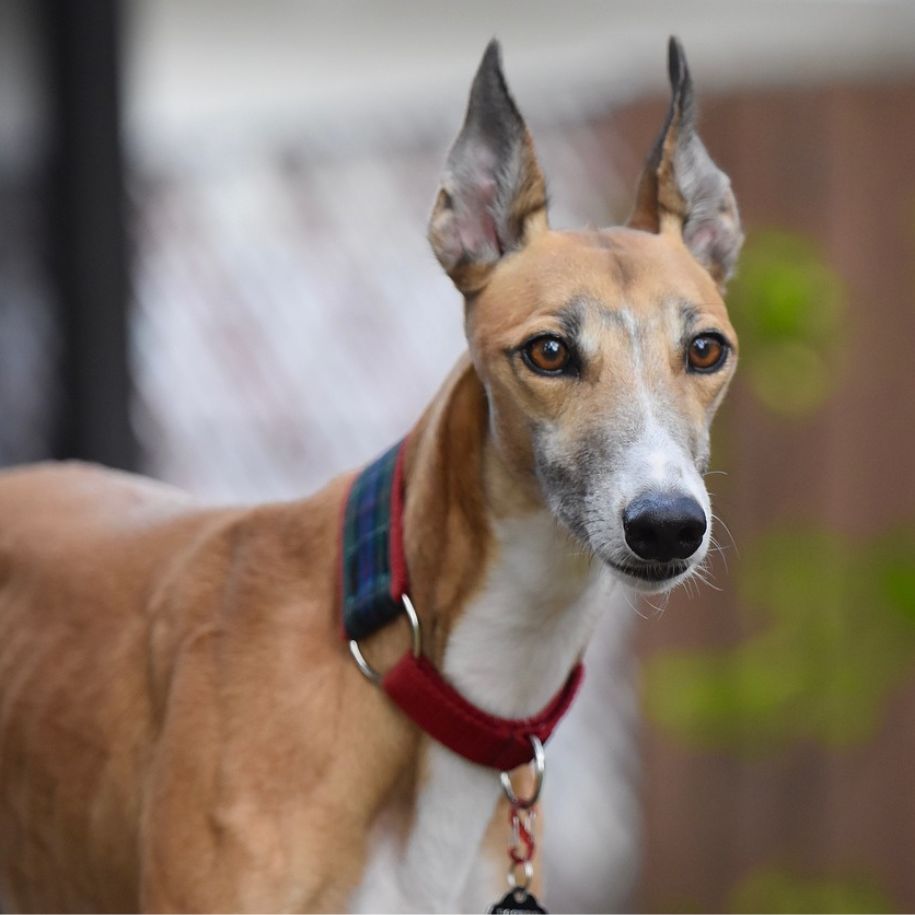
3. Whippet
Size: 44-51cm, 12-15kg
Lifespan: Often 12 years or more
Coat: Smooth coat, minimal grooming
Best for: Flats, calm homes, sofa-loving owners
The Whippet is a lean, athletic dog with a gentle nature. Many owners are surprised by how quiet and cuddly Whippets are indoors. They enjoy a good run, then happily curl up on a soft bed for the rest of the day.
Because they have thin skin and little body fat, Whippets feel the cold. They are well suited to UK flats if they get daily walks and safe chances to sprint. A warm dog bed or blanket helps them stay comfortable after wet or chilly walks.

4. Beagle
Size: 33-40cm, 9-14kg
Lifespan: Often 12 years or more
Coat: Short, dense coat, low grooming
Best for: Sociable families, scent games, playful homes
The Beagle is a friendly, good natured hound with a famous nose. Originally bred for hunting by scent, Beagles love following trails, exploring ground smells and solving food puzzles.
They are affectionate with humans and often good with other dogs, but recall can be a challenge. A Beagle that catches a scent may suddenly forget you exist. Keep them secure, use training games and avoid overfeeding, as this breed can gain weight easily.

5. Miniature Poodle
Size: 28-38cm, 5-9kg
Lifespan: Often 12 years or more
Coat: Tightly curled, low shedding, professional grooming
Best for: Allergy-aware homes, smart owners, training fans
The Miniature Poodle is a highly intelligent dog breed with a curly coat that sheds far less than many other breeds. Although smaller than some medium dogs, many UK owners consider them small-to-medium because of their lively personality and athletic body.
Poodles come in three sizes: Toy Poodle, Miniature Poodle and Standard Poodle. The Miniature is often a popular choice for families who want a clever, low shedding dog. Their coat can resemble human hair in how it grows, but it needs clipping, combing and professional grooming to prevent mats.

6. Bulldog
Size: 31-40cm, 18-23kg
Lifespan: Often 8-10 years
Coat: Smooth coat, minimal grooming
Best for: Lower-energy homes, flats, relaxed families
The Bulldog is compact, affectionate and well known for its sturdy body, broad head and gentle nature. Many Bulldogs are calm indoors and perfectly suited to people who want a medium dog without the exercise demands of a Border Collie or Australian Shepherd.
That said, Bulldogs need careful ownership. They can struggle in heat, snore, suffer breathing problems and be prone to skin issues. Keep them lean, avoid heavy exercise in summer and choose responsible breeders who prioritise health over exaggerated appearance.

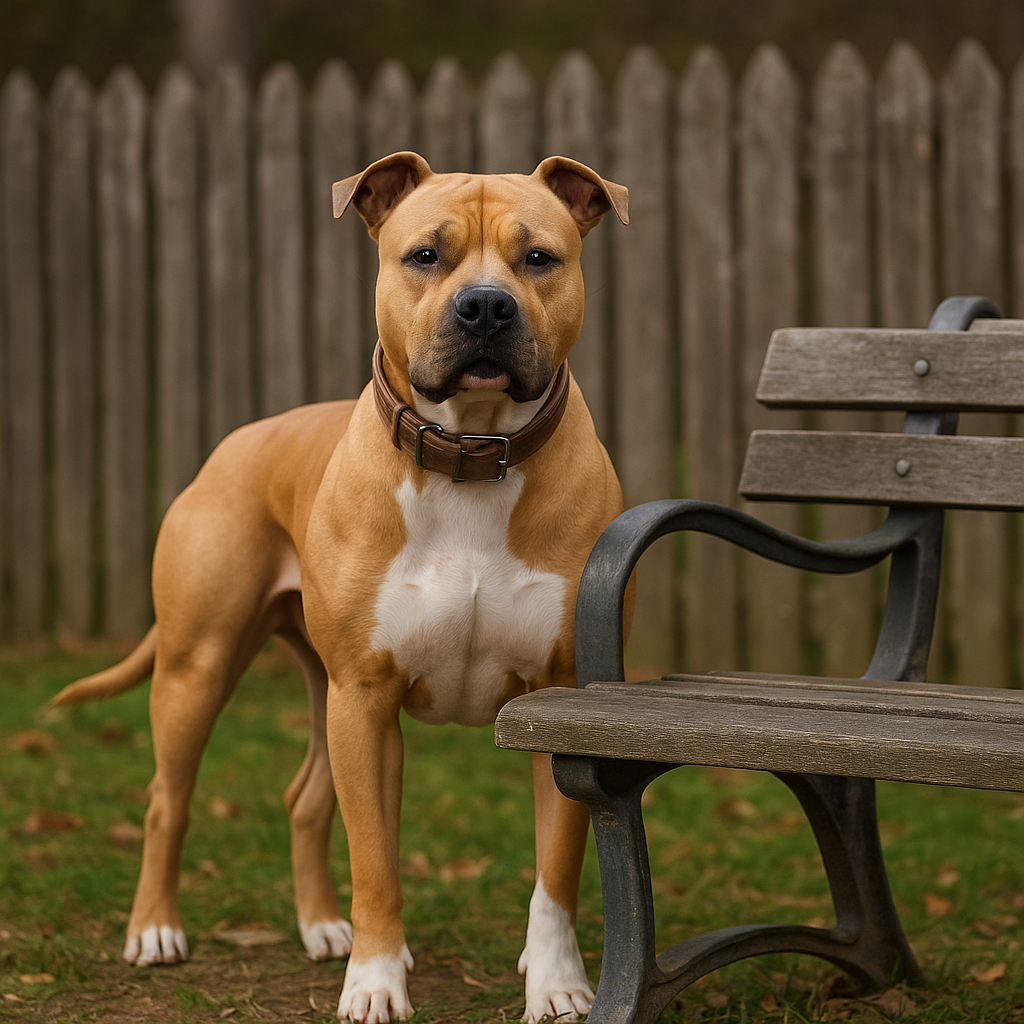
7. Staffordshire Bull Terrier
Size: 36-41cm, 13-17kg
Lifespan: Often 12 years or more
Coat: Smooth coat, easy care
Best for: Loyal family homes, confident owners, affectionate companionship
The Staffordshire Bull Terrier is a strong, loyal companion with a big heart. In the right home, a Staffy can be one of the most highly affectionate family dogs around. They bond closely with humans and often love children, though kids and dogs should always be supervised.
This terrier breed needs early training, socialisation with other dogs and clear boundaries. They are not lap dogs in body, but many act like lap dogs at home. Their grooming needs are low, but they still benefit from a good brush to remove dead hairs.

8. Cockapoo
Size: Usually 35-45cm, 10-16kg
Lifespan: Often 12 years or more
Coat: Wavy coat, curly coat or mix; regular grooming
Best for: First-time owners, families, adaptable homes
The Cockapoo is a popular breed mix, usually combining a Cocker Spaniel and Poodle. Many owners like this combination because Cockapoos are smart, affectionate and playful.
Coat type can differ a lot. Some have soft waves, others have tight curls, and some shed more than expected. Regular brushing, bathing and trimming are essential to remove tangles and prevent mats. A Cockapoo can be a wonderful family dog, but they need companionship and may suffer if left alone for long periods.

9. Border Collie
Size: 48-56cm, 14-20kg
Lifespan: Often 12 years or more
Coat: Double coat, weekly brushing
Best for: Training lovers, active owners, dog sports
The Border Collie is one of the most intelligent dog breeds in the dog world. This medium sized herding breed was originally bred to work sheep, and that history still shows in their focus, stamina and desire for a job.
Border Collies need mental stimulation every day. Walking alone is rarely enough. They enjoy agility, obedience, scent work, trick training and problem solving. Without a good dose of activity, they can become bored, bark, chase movement or create their own business around the house.

10. Standard Schnauzer
Size: 45-50cm, 14-20kg
Lifespan: Around 12-14 years
Coat: Wiry coat, coarse beard, regular grooming
Best for: Structured homes, watchdog owners, active families
The Standard Schnauzer is an alert, confident working dog breed with a distinctive beard, strong muzzle and wiry coat. Their rough coat sheds less than many dogs, but it needs clipping or hand-stripping to maintain condition.
Schnauzers are smart, loyal and sometimes wary of strangers. They can make good watchdogs, but owners should avoid encouraging overprotective behaviour. With training and boundaries, they become lively, obedient and entertaining companions.

11. Portuguese Water Dog
Size: 43-57cm, 16-25kg
Lifespan: Around 11-13 years
Coat: Curly or wavy, low shedding, professional grooming
Best for: Active families, swimmers, allergy-aware homes
The Portuguese Water Dog was originally bred in Portugal to help fishermen retrieve gear and work around water. This athletic dog is strong, cheerful and energetic, with a coat that can be curly or wavy.
They are often described as low shedding, but low shedding does not mean low maintenance. They require grooming, regular brushing and clipping to prevent tangles. If your family loves water, hiking and training, this breed can make an excellent companion.

12. Australian Shepherd
Size: 46-58cm, 18-25kg
Lifespan: Around 12-15 years
Coat: Dense coat, double coat, seasonal shedding
Best for: Outdoor homes, training, active lifestyles
The Australian Shepherd, affectionately called the Aussie, is a beautiful breed known for blue merle patterns, tri color markings, white markings and bright eyes. Despite the name, the breed developed in the United States, but it is popular with active UK owners today.
Aussies have boundless energy. They need plenty of exercise, training and mental stimulation. Their thick undercoat and dense double coat need weekly brushing, especially during seasonal changes. This is not the right dog for owners who want a quiet couch companion every day.

13. Bearded Collie
Size: 51-56cm, 18-27kg
Lifespan: Around 12-14 years
Coat: Shaggy double coat, daily brushing
Best for: Time-rich owners, country walks, cheerful homes
The Bearded Collie is a spirited herding dog with a shaggy double coat, outgoing nature and plenty of bounce. Beardies are friendly dogs, but they require coat care every day.
Their fluffy coat and soft undercoat can trap dirt, knots and loose hair. Daily brushing helps prevent tangles and keeps the coat healthy. They love family life, but they need owners who enjoy grooming as much as walking.

14. Soft Coated Wheaten Terrier
Size: 43-48cm, 14-18kg
Lifespan: Around 12-14 years
Coat: Soft, silky or wavy coat, regular grooming
Best for: Spirited families, terrier fans, allergy-aware homes
The Soft Coated Wheaten Terrier is a charming terrier with a soft coat, lively character and affectionate temperament. They are playful, clever and often highly affectionate with their family.
Their coat does not shed like many other dogs, but it can mat quickly without regular grooming. Use a good brush, comb through the legs and chest, and schedule trimming with a groomer. Wheatens are friendly, but they still have terrier independence, so training matters.

15. Shetland Sheepdog
Size: 33-41cm, 6-12kg
Lifespan: Often 12 years or more
Coat: Thick double coat, plumed tail, weekly brushing
Best for: Gentle homes, training, smaller spaces
The Shetland Sheepdog, or Sheltie, is a smaller medium dog breed with intelligence, loyalty and a beautiful fluffy coat. They can be sensitive, obedient and deeply bonded to their person.
Shelties are often good with children when socialised, but they may bark at movement, strangers or unexpected sounds. Their thick double coat needs weekly brushing to remove loose hair and dead hairs, with extra care during seasonal shedding.

16. Basset Hound
Size: 28-38cm, 20-29kg
Lifespan: Around 10-12 years
Coat: Smooth coat, low grooming
Best for: Calm homes, scent lovers, lower-energy owners
The Basset Hound is a low, long-bodied hound with a gentle nature, long ears and a powerful nose. Though short in height, the weight and body type often place them in the medium dog category.
Bassets are affectionate and good natured, but they can be stubborn. Watch their weight, avoid too many stairs, and clean ears regularly. They enjoy walking and sniffing more than intense running.

17. Kerry Blue Terrier
Size: 44-48cm, 15-18kg
Lifespan: Around 12-15 years
Coat: Soft, wavy coat, regular clipping
Best for: Terrier lovers, active homes, experienced owners
The Kerry Blue Terrier is a bold Irish terrier breed with a distinctive blue-grey coat. Puppies are often born black, then develop their famous colour as they grow.
Kerries are intelligent, spirited and loyal, but they can have an independent spirit. Regular grooming and clipping are needed to maintain the coat. They suit owners who enjoy training and want a confident dog with character.

18. English Setter
Size: 61-69cm, often 20-30kg
Lifespan: Around 10-12 years
Coat: Medium to long, feathering, brushing needed
Best for: Countryside homes, active families, gentle owners
The English Setter is a graceful sporting dog with a gentle temperament and beautiful coat in various colours and patterns. Some are medium-to-large rather than true medium, but many UK dog owners searching for medium dogs consider them.
They need a decent amount of exercise and do best with space. Their feathering can collect dirt, so regular brushing helps maintain the coat and prevent mats.

19. German Shorthaired Pointer
Size: 53-64cm, 20-32kg
Lifespan: Around 10-14 years
Coat: Smooth coat, minimal grooming
Best for: Sporty owners, running, hiking, countryside life
The German Shorthaired Pointer, often called a GSP, is an athletic dog and working breed with serious stamina. Originally bred for hunting and retrieving game, this breed needs activity, training and company.
Their short coat is easy to maintain, but their energy is not low maintenance. A GSP left alone for long periods may become restless or destructive. They suit people who want a dog to join them on outdoor trips.

20. Australian Cattle Dog
Size: 43-51cm, 15-22kg
Lifespan: Around 12-16 years
Coat: Dense coat, rough or smooth feel, seasonal shedding
Best for: Experienced active owners, training, working homes
The Australian Cattle Dog is a determined, courageous and highly intelligent working breed from Australia. Originally bred to move cattle over tough ground, this medium sized dog has strength, stamina and an independent mind.
They are not usually recommended for low-activity homes. They need training, control, physical exercise and mental work. In the right situation, they are loyal, bright and extremely capable.

Honourable Mentions and Size Notes
Some breeds appear often in medium dog breed searches but do not always fit neatly into the category.
-
Airedale Terrier: Often too large for a true medium dog, but a famous terrier with a wiry coat.
-
Bull Terrier: Compact, muscular and playful, but needs experienced handling.
-
American Staffordshire Terrier: Less common in UK breed discussions and may be confused with other types, so research carefully.
-
Bernese Mountain Dog: A large dog and gentle giant, not medium, with a thick double coat suited to cold climates.
-
American Eskimo Dog: A fluffy coat, plumed tail and arctic circle-style appearance, but availability in the UK can vary.
-
Finnish Spitz: Alert, fox-like and vocal, with a thick coat and independent nature.
-
Old English Sheepdog: A large, shaggy breed with a wooly undercoat and daily grooming needs.
-
Golden Retrievers and Labradors: Among the most popular dogs, but usually large rather than medium.
-
Toy Poodle and Maltese: Small dog or toy/lap dog options, not medium.
-
Standard Poodle: Often medium-to-large, highly intelligent and low shedding when professionally groomed. good choice for owners who want less loose hair around the home, though they still require regular grooming.
Common Health Problems in Medium Dog Breeds
Medium sized dog breeds are generally hardy, but each dog breed can face certain issues. Knowing these problems helps dog owners plan pet insurance and daily care.
-
Joint pain – Hip or elbow dysplasia often troubles active dogs and athletic dogs such as the Australian Shepherd, Border Collie, Australian Cattle Dog and other medium sized herding breed stars. A healthy weight and ample exercise on soft ground can ease the strain.
-
Skin & coat troubles – Breeds with a thick double coat, shaggy double coat or fluffy coat—think Bernese Mountain Dog, American Eskimo Dog, Shetland Sheepdog or Bearded Collie—can trap dirt, loose hair and doggy odour. Weekly brushing removes dead hairs and prevents mats.
-
Allergies – Terrier breeds like the Staffordshire Bull Terrier, American Staffordshire Terrier and Soft Coated Wheaten Terrier sometimes develop itchy skin. A good brush, regular grooming and a vet‑approved diet often reduce flare‑ups.
-
Ear infections – Floppy eared favourites such as the Cocker Spaniel, Basset Hound and English Springer Spaniel pick up moisture easily after a swim or muddy walk. Dry ears gently every day to keep bacteria away.
-
Heart & eye conditions – Popular dog breeds including Golden Retrievers, Bull Terriers and Portuguese Water Dogs can be prone to heart murmurs or cataracts. Annual health checks keep problems in check and control veterinary costs.
Whether you share life with an intelligent dog breed, a hard‑working hunting dog like the German Shorthaired Pointer, or a loyal guard dog such as the Bull Terrier, simple habits—balanced food, daily brushing, plenty of exercise and regular vet visits—help these medium dog companions stay healthy for 10 years or more.
Grooming, Shedding & Coat Types Explained
Medium dog breeds come with a variety of coats:
-
Double coat: Border Collie, Sheltie (seasonal shedding)
-
Wiry coat: Schnauzer, Airedale Terrier
-
Curly coat: Poodle, Portuguese Water Dog
-
Silky coat: Cocker Spaniel, Wheaten Terrier
Regular brushing helps:
-
Remove loose hair and dead hairs
-
Reduce doggy odour
-
Prevent mats and skin issues
Professional grooming is essential for many medium sized breeds.
Choosing the Right Breed for Your Household
-
Space & lifestyle. A Whippet lounges indoors; an energetic Aussie demands a field.
-
Exercise. Some breeds need a high energy run every day; others enjoy a fair amount of play then snooze.
-
Grooming requirements. Know the difference between a smooth coat that needs a quick rub and a wooly undercoat that requires daily brushing.
-
Health & lifespan. Most medium dogs live 10–14 years; larger, heavier builds such as the Bernese trend shorter.
-
Costs. Factor food, pet insurance, and professional grooming for curly or long coats.
-
Allergies: Go for low‑shedding breeds like Poodle mixes.
-
Legal duties: All UK dogs must be microchipped by 8 weeks, or owners face a £500 fine.
For families keen to adopt, Battersea and Dogs Trust have many medium sweethearts waiting for sofas.
FAQs
What is classed as a medium‑sized dog in the UK?
The Kennel Club labels breeds weighing roughly 11 – 24 kg and standing 35 – 55 cm at the shoulder as “medium”. Think Cocker Spaniel, Whippet or Beagle.
What is the best medium to large family dog?
For a “one‑size‑fits‑all” temperament, many UK vets recommend Golden Retrievers—technically edging into the large bracket but still manageable in suburban homes—and the ever‑popular Labrador. From our true‑medium list, Cocker Spaniels and Staffordshire Bull Terriers earn the highest family scores.
Which medium breeds shed the least?
Miniature Poodles, Cockapoos, Portuguese Water Dogs and Kerry Blue Terriers boast hair‑like coats that drop little dander when kept trimmed. Regular brushing prevents mats.
How much does pet insurance cost for a Cocker Spaniel?
According to MoneySuperMarket, the average premium in 2024 was £12.18 per month for a young, healthy Cocker Spaniel in England. Prices rise with age, pre‑existing conditions and postcode.
Are Bulldogs good with kids despite health issues?
Yes—Bulldogs are typically gentle and tolerant. Choose a breeder who tests for respiratory, skin and joint problems, maintain a healthy weight and provide moderate exercise. Families prepared for potentially higher vet bills often find Bulldogs delightful playmates.
Conclusion
The best medium sized dog is one that fits your lifestyle, time, and energy level. Whether you want a calm family dog, an active dog for hiking, or a loyal companion, medium dog breeds offer exceptional versatility.