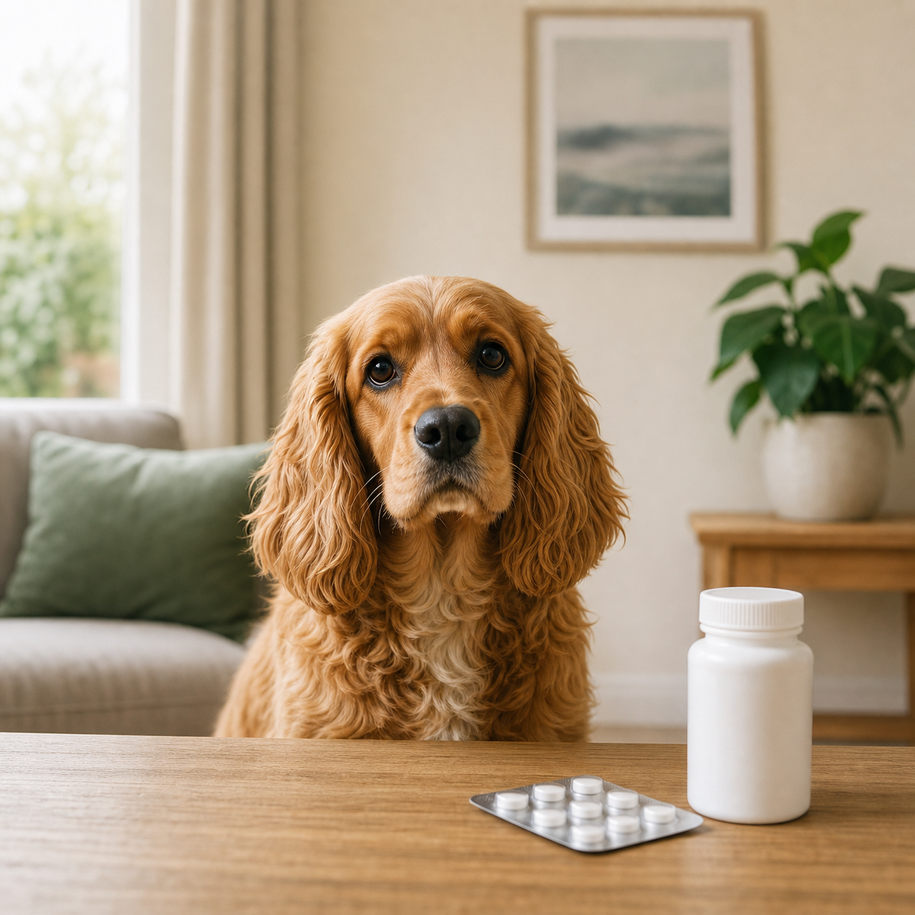


If you have typed "can dogs get hay fever" after watching your pup chew their paws for the tenth time this week, yes, dogs can react to pollen. Most dog owners picture hay fever as sneezing, itchy eyes, watery eyes, and a runny nose, because that is what people experience. Dogs can show those signs too, but dog hay fever often looks like itchy skin first.
This guide explains hay fever in dogs, the dog hay fever symptoms to track, when pollen counts matter, what else can mimic seasonal allergies, and which treatments should stay firmly in your vet's hands.
Can Dogs Get Hay Fever?
Yes. Dogs get hay fever, though many vets and pet health groups describe it as a pollen allergy, environmental allergy, or seasonal allergic reaction. A simple way to define it is this: canine hay fever happens when a dog's immune system reacts to pollen from trees, grasses, weeds, or other outdoor allergens, causing skin, eye, nose, or ear symptoms.
Blue Cross veterinary advice explains that hay fever is an allergic reaction to pollen in the air and that dogs often show itchy skin rather than the classic human-style sneezing pattern.
The phrase "hay fever" can be a bit misleading for dogs. There is usually no fever. There may be no dramatic sneezing either. I have seen owners miss the early signs because their dog was still eating, playing, and asking for walks. The only clue was bedtime: lick, lick, lick, all night.
Is Canine Hay Fever the Same as Human Hay Fever?
Not exactly. Humans often experience hay fever through the nose and eyes. Dogs tend to show it through the skin.
Common human-style signs can still happen:
-
Runny nose
-
Sneezing
-
Itchy eyes
-
Watery eyes
-
Mild eye redness
But in dogs, pollen allergies often show up as:
-
Itchy skin
-
Chewing paws
-
Rubbing the muzzle or ears
-
Red or flaky skin
-
Skin inflammation around the belly, armpits, ears, or groin
Dog Hay Fever Symptoms to Watch For
Dog hay fever symptoms can be subtle at first. Then they build. One week your dog spends a little more time rubbing their face on the couch. By the next week, the dog's skin looks pink and angry, and the licking has gone from "odd habit" to "please stop, buddy."
Wood green Pets Charity lists scratching, nose rubbing, chewing paws, sneezing, tiredness, a runny nose, and red or flaky skin as possible signs. Blue Cross also notes that itchy skin is one of the most common signs in dogs. Some dog breeds seem more prone to seasonal itch, but any dog can react to pollen if their immune system is sensitive enough.
What Are the Common Signs of Hay Fever in Dogs?
Use this symptom checklist during hay fever season:
|
Symptom |
What you may notice |
Why it matters |
|---|---|---|
|
Itchy skin |
Scratching, chewing, nibbling, rubbing |
Often the main dog hay fever sign |
|
Paw chewing |
Licking feet after walks |
Pollen can stick to paws and fur |
|
Red or flaky skin |
Belly, groin, armpits, ears, paws |
May signal irritated skin or infection risk |
|
Itchy eyes |
Rubbing eyes or face |
Can happen, but skin signs are often stronger |
|
Runny nose |
Clear nasal drip or sneezing |
Possible, but less common than in people |
|
Ear irritation |
Head shaking, ear rubbing, odor |
Allergies can set off ear inflammation |
|
Tiredness |
Less energy on high pollen days |
Discomfort can wear dogs down |
A single sneeze after sniffing grass is not enough to panic over. Real talk: dogs put their faces into everything. But if symptoms repeat during spring and summer months, flare after walks, or worsen on high pollen counts days, start tracking them.
Watch the skin closely. Scratching can break the surface, and broken skin can invite bacterial or yeast trouble. If your dog has raw patches, hair loss, bad odor, swelling, or wet-looking sores, skip the wait-and-see phase and call your vet.

When Is Hay Fever Season for Dogs?
Hay fever season depends on where you live and which pollen triggers your dog. Tree pollen often rises in spring. Grass pollen tends to hit later in spring and summer. Weed pollen can stretch into late summer and fall. Local weather can shift those dates, so the pollen forecast is your friend.
The Met Office guidance on pets and pollen breaks pollen timing into tree, grass, and weed periods and recommends checking pollen levels to plan ahead.
Here is a practical season map for dog owners:
|
Pollen type |
Common timing |
Dog-owner note |
|---|---|---|
|
Tree pollen |
Early spring through mid May |
Symptoms may start before warm weather feels "summery" |
|
Grass pollen |
Mid May through July |
Mid May grass pollen can be a big trigger for dogs who love lawns |
|
Weed pollen |
Late June through early fall |
July weed pollen can overlap with grass pollen in some areas |
|
House dust mites |
Year-round |
Can mimic seasonal allergies but often does not stop in winter |
Your local climate matters. A rainy week may knock pollen down for a while. Dry, windy days can send pollen everywhere. Hot weather can make skin irritation feel worse, even if heat itself is not the allergy.
Can High Pollen Counts Make Symptoms Worse?
Yes. High pollen counts can make a sensitive dog's symptoms flare, especially if the dog spends a long time in grass, weeds, fields, or wooded trails.
Try shifting walks away from peak pollen windows. Some sources suggest early morning and late evening can be higher for certain pollens, while other conditions vary by weather and location. My rule is simple: check the pollen forecast, then choose the lowest-risk window you can manage.
If your dog spends long periods in the yard, pollen can collect on the dog's coat, paws, and bedding. That means a dog indoors can still carry pollen inside after a walk or garden nap.
What Else Can Look Like Dog Hay Fever?
This is the section I wish more quick articles made louder: hay fever symptoms in dogs can look like many other problems. Itchy skin does not automatically mean pollen. Sneezing does not always mean seasonal allergies. Flaky skin may be allergy-related, or it may point to something else entirely.
Blue Cross notes that dogs with similar symptoms at other times of year may have allergies to fleas, house dust mites, or infections. Wood green also warns that hay fever and other allergies can look alike.
Here is a fast comparison:
|
Possible cause |
Common clues |
Vet help needed? |
|---|---|---|
|
Pollen allergies |
Worse in pollen season, after walks, around paws/face/belly |
Yes, if repeated or intense |
|
Flea bites |
Itching near tail base, back legs, belly; even one bite can bother some dogs |
Yes, plus flea control |
|
House dust mites |
Year-round itching, often worse after sleeping |
Yes |
|
Itching may happen all year; stomach signs may appear too |
Yes, food trials need structure |
|
|
Skin infection |
Odor, oozing, crusting, pain, hair loss |
Yes, soon |
|
Contact irritation |
Rash after a new cleaner, plant, shampoo, or surface |
Yes, if it does not settle |
|
Hot weather stress |
Panting, weakness, drooling, collapse risk |
Emergency if severe |
Should My Dog Get an Allergy Test?
Maybe. An allergy test can help identify pollen, dust mites, molds, or other allergens, but it is not the first step for every itchy dog. A vet may first check for fleas, mites, yeast, bacteria, ear infection, food allergy, or other health issues.
If your dog develops signs every spring and summer, improves in cooler months, and flares after grassy walks, pollen moves higher on the suspect list. Still, let your vet connect the dots.
Dog Hay Fever Treatment: What Vets May Recommend
The best dog hay fever treatment depends on the dog's symptoms, skin condition, age, other medications, and whether other allergies are involved. There is no one-size bottle sitting in the medicine cabinet. I know that is not the answer anyone wants. It is the safer answer.
Scottish SPCA advice and Wood green both warn owners not to give human medication unless a vet gives direct instructions. Some human antihistamines and hay fever tablets can be dangerous for dogs, especially if they contain added ingredients.
Your vet may discuss:
-
Topical treatments for irritated skin
-
Medicated shampoos or wipes
-
Eye drops for certain eye symptoms
-
Ear treatment if allergies have triggered ear trouble
-
Dog medication for itching or skin inflammation
-
A skin supplement, such as vet-approved omega fatty acids
-
Allergy test options for repeat or severe cases
-
Immunotherapy for long-term allergic disease in selected dogs
Can Dogs Have Hay Fever Tablets?
Only with vet approval. Do not give hay fever tablets, human antihistamines, decongestants, eye drops, nasal sprays, or any human medicine just because it helped you.
Even a familiar medicine can be risky in the wrong dose or formula. Some products include extra ingredients that are not safe for dogs. Your vet can tell you whether an antihistamine is suitable, what product is safe, and what dose fits your dog's weight and health history.
For mild symptoms, your vet may pair medication with home changes. For severe cases, especially raw skin, ear infections, or nonstop scratching, your dog may need stronger treatment. No shame there. Allergic skin can spiral fast.
How to Reduce Pollen on Your Dog and at Home
You cannot bubble-wrap a dog through pollen season, and honestly, most dogs would file a formal complaint. The goal is to reduce the dog's exposure without taking away all their walks, sniffing, and fun.
Start with the after-walk routine:
-
Wipe paws, legs, belly, muzzle, and ears with a damp cloth.
-
Brush the dog's coat to remove pollen before it spreads around the house.
-
Check between toes for redness, grass seeds, or tiny sore spots.
-
Offer fresh water and a cool rest area, especially in hot weather.
For dogs with longer coats, regular grooming can help remove allergens before they settle into the fur. During peak pollen season, ask your vet how often bathing makes sense; this guide on how often can you bath a dog is a helpful starting point for thinking through coat care without overdoing it.
Now the home routine. Pollen does not politely stay outdoors.
-
Regularly wash the dog's bedding, blankets, and favorite washable covers.
-
Use a washable dog bed if your dog tracks pollen in after walks.
-
Vacuum floors and soft furniture more often during high pollen weeks.
-
Keep windows closed on windy, high pollen days.
-
Consider air purifiers with HEPA-style filtration in rooms where your dog sleeps.
-
Keep the lawn short, but keep your dog indoors while mowing.
-
Store outdoor toys where they collect less pollen.
The Met Office recommends wiping paws and muzzle after walks, keeping up with grooming, washing pets more often when advised, and washing bedding weekly during pollen season.


Should I Keep My Dog Indoors During Pollen Season?
Not all day, unless your vet says your dog's case is severe. Dogs still need movement, sniffing, and mental stimulation. A better plan is to avoid long walks through tall grass during high pollen counts and swap in lower-pollen routes when you can.
Walk on sidewalks after rain. Choose shorter outings on dry, windy days. Use indoor scent games, food puzzles, or gentle training when pollen levels are rough. If the dog spends lots of time in a large yard, wipe them down before they come back to the sofa. Your future laundry pile will thank you.
For household cleanup, pet-safe cleaning supplies and machine-washable fabrics make the routine less painful. Small repeatable habits beat one heroic deep clean every month.
When to Call the Vet Right Away
Call your vet if your dog's symptoms are more than mild or if home care is not helping within a few days. Hay fever in dogs can be manageable, but untreated scratching can lead to skin damage and secondary infections.
Get prompt help if you notice:
-
Raw, bleeding, swollen, or painful skin
-
Constant chewing or scratching
-
Ear odor, head shaking, or ear discharge
-
Thick eye discharge or a dog pawing at the eye
-
Hair loss or greasy, flaky skin that spreads
-
Lethargy that seems more than "sleepy"
-
Breathing trouble, facial swelling, collapse, or hives
-
Symptoms outside spring and summer
-
A dog who seems worse after new food, shampoo, cleaner, or bedding
Breathing trouble, collapse, or swelling around the face is urgent. Do not wait.
For less dramatic cases, bring notes. Tell your vet when symptoms started, what the pollen forecast looked like, which parts of the body itch, whether flea and worming treatment is current, and what you have tried. Photos help too, especially if the rash comes and goes.
FAQs
What can I give my dog for hay fever?
Ask your vet first. Depending on your dog's symptoms, a vet may recommend topical treatments, medicated shampoos, eye drops, skin supplements, or prescription dog medication. Never give human antihistamines or hay fever tablets without vet guidance.
How do I remove pollen from my dog's coat?
Wipe your dog's coat, paws, belly, and muzzle with a damp cloth after outdoor time. Brush regularly, bathe only as advised for your dog's skin and coat, and wash your dog's bedding regularly so pollen does not keep transferring back.
Are itchy eyes and runny nose common in dogs with hay fever?
They can happen, but itchy skin is often more common in dogs. Unlike humans, dogs may show hay fever through paw licking, belly irritation, ear rubbing, face rubbing, and skin inflammation.
Do air purifiers help dogs with pollen allergies?
Air purifiers may help reduce indoor pollen and other airborne allergens, especially in rooms where your dog sleeps. They work best as part of a wider routine that includes wiping your dog after walks, vacuuming, and washing bedding.
Conclusion
So, can dogs get hay fever? Yes. Dog hay fever is usually a pollen allergy, and the most common signs often show up on the dog's skin rather than the nose. Itchy skin, paw chewing, irritated skin, flaky skin, itchy eyes, watery eyes, sneezing, and a runny nose can all fit the picture, especially during pollen season.
The smart plan is simple: track symptoms, check pollen counts, remove pollen after walks, regularly wash bedding, and talk to your vet before giving any dog medication. Your dog does not need to suffer through spring and summer. They just need the right help, and a person willing to notice the little signs early.