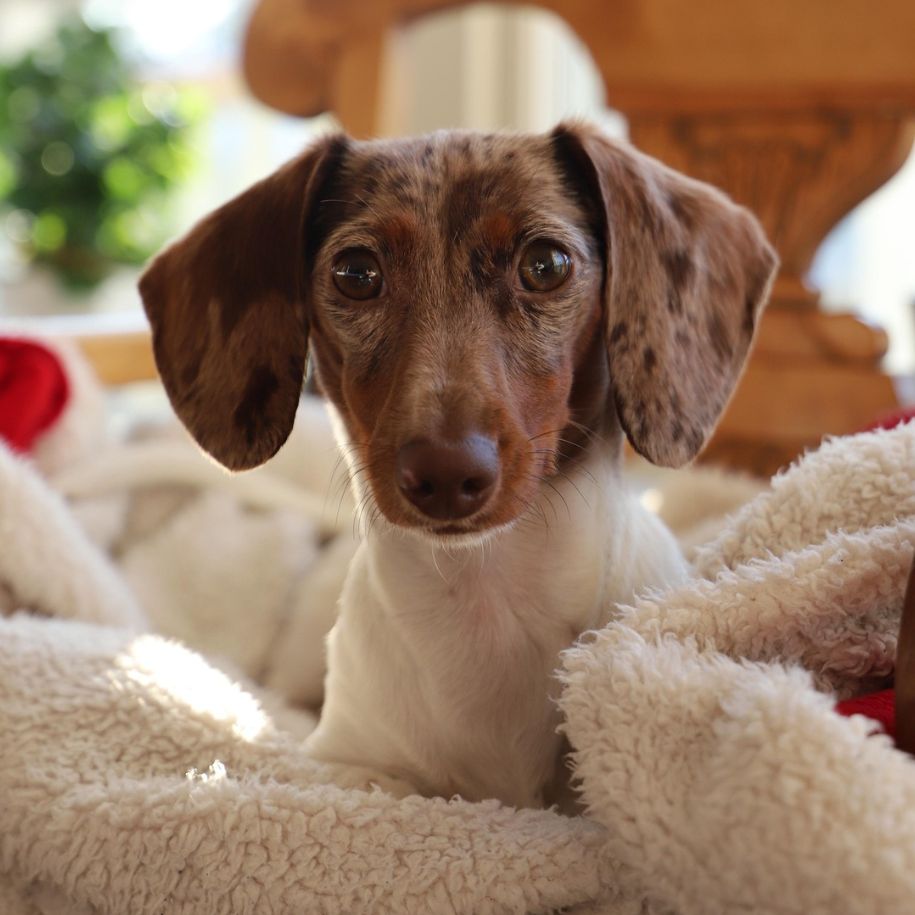


As a dog owner, I’ve lost count of how many times someone has asked me, “Can dogs have hiccups, or is something wrong?” The short, reassuring answer is yes—dogs can get hiccups, and in most cases, they’re perfectly normal and generally harmless. Just like human hiccups, hiccups in dogs are caused by involuntary spasms of the diaphragm, the muscle that helps control breathing.
I’ve seen this most often in puppies. Puppy hiccups can look dramatic—little jerky movements, a faint wheezing sound, or irregular breathing—but they’re usually part of growing up. Adult dogs get hiccups too, just less often. In most cases, hiccups happen after eating or drinking too quickly, swallowing too much air, or during moments of excitement or stress.
For UK dog owners, this topic matters because hiccups can be confused with difficulty breathing, choking, or respiratory issues. Understanding what’s normal helps you stay calm and know when a vet visit is actually needed. By the end of this guide, you’ll know how to spot dog hiccups, what causes them, and how to help your dog regulate breathing safely at home.
What Are Hiccups in Dogs, Exactly?
When I explain dog hiccups to owners, I always start with the basics. Hiccups are caused by diaphragm spasms—sudden, involuntary contractions of the breathing muscles inside the chest cavity. When this muscle spasms, the dog’s vocal cords close quickly, creating that familiar “hic” sound or small body jerk.
What’s different from human hiccups is how they look. Dogs may not make a clear sound; instead, you might see jerky movements, changes in breathing patterns, or mild chest twitching. Puppies are more prone because their nervous systems and breathing muscles are still developing.
I often remind owners that hiccups are not a disease. They’re a reflex. Problems only arise when hiccups are persistent, paired with vomiting, coughing, or irregular or difficult breathing. Knowing the difference is key to avoiding unnecessary worry—and unnecessary vet bills.
Why Do Dogs Get Hiccups?
In my experience, most cases come down to air—too much of it, too fast. Dogs often swallow air when they eat or drink quickly, especially after play. This excess air can irritate the diaphragm and trigger hiccups.
Here are the most common triggers I see:
-
Eating or drinking too fast, especially from deep bowls
-
Overexcitement or stress, which raises cortisol levels and affects breathing
-
Temperature changes, like moving from a warm room to cold floors
-
Intense play sessions without time to calm down
Sometimes hiccups are linked to a mild upset stomach or gas buildup. Spicy foods, fatty scraps, or sudden diet changes can also play a role. The good news? In most cases, hiccups stop on their own once the dog relaxes and breathing returns to normal.
Are Hiccups Normal in Puppies vs Adult Dogs?
This is where I really want to reassure new owners: puppies get hiccups a lot, and that’s completely normal. Younger dogs have developing nervous systems, which means their breathing reflexes aren’t fully coordinated yet. That’s why pup’s hiccups can occur frequently, even during rest.
With adult dogs, hiccups happen less often. When they do, it’s usually tied to a clear trigger like eating too fast, excitement, or mild digestive upset. If an adult dog starts to experience hiccups frequently without an obvious reason, that’s when I pay closer attention.
The key difference is frequency and context. Puppy hiccups are part of growth. Adult hiccups should make you ask, “What just happened?”—food, stress, temperature, or activity. That mindset helps you catch potential issues early without panicking.
How Long Do Dog Hiccups Usually Last?
One of the first things I tell worried owners is this: dog hiccups are usually short-lived. In most cases, they last a few minutes and resolve on their own. Occasionally, they may linger up to an hour, especially after a big meal or intense play session.
What’s normal:
-
Short episodes
-
No signs of distress
-
Normal behaviour before and after
What’s not normal:
-
Persistent hiccups lasting several hours
-
Hiccups paired with difficulty breathing, coughing, or vomiting
-
Lethargy or refusal to eat
In my experience, offering drinking water, encouraging calm rest, and letting the dog relax usually helps calm irregular breathing. If hiccups don’t stop or keep returning without a clear trigger, that’s your cue to check in with your vet. Trust your instincts—you know your dog best.
How to Help a Dog With Hiccups at Home
When I see a dog get hiccups, my first goal is always the same: help them calm their breathing. In most cases, dog hiccups are linked to excitement, excess air, or eating habits—not serious health issues. Simple actions at home can make a big difference.
I usually start by slowing things down. If hiccups happen after eating or drinking, I’ll pause activity and encourage quiet rest. Offering drinking water can help wash down excess air and gently regulate breathing. I’ve seen many mild cases stop within minutes after this.
Many dogs calm more quickly when they have a soft, familiar place to rest. A supportive dog bed or calming mat can help create a sense of safety, making it easier for the dog to relax and regulate breathing until the hiccups stop on their own.


Can Stress or Anxiety Cause Dog Hiccups?
Absolutely—and this is something I see more often than people realise. Stress and overexcitement can change a dog’s breathing patterns and trigger hiccups. When cortisol levels rise, breathing muscles tighten, making involuntary spasms more likely.
Dogs may experience hiccups during:
-
New environments
-
Loud noises
-
Visitors or busy households
-
Travel or routine changes
In these moments, hiccups are often paired with pacing, yawning, or restless behaviour. Puppies are especially sensitive. Younger dogs don’t yet know how to self-regulate excitement, which explains why puppies get hiccups more often.
Daily enrichment, such as interactive toys that encourage problem-solving and focus, can help dogs release nervous energy earlier in the day. Over time, this can support calmer breathing patterns and reduce how often stress-related hiccups occur.


When Are Dog Hiccups a Sign of a Problem?
While hiccups are generally harmless, there are moments when I pause and recommend veterinary attention. The biggest red flag is persistent hiccups—those that last for hours or occur daily without a clear trigger.
You should contact your vet if hiccups come with:
-
Difficulty breathing or wheezing sounds
-
Repeated coughing
-
Vomiting or signs of stomach pain
-
Lethargy or appetite loss
In adult dogs especially, hiccups that occur frequently deserve attention. Trust your instincts. If something feels “off,” a vet visit is always the safest choice.
Common Myths About Dog Hiccups
Over the years, I’ve heard some worrying myths about hiccups in dogs. Let’s clear them up.
Myth 1: Hiccups mean my dog is choking
Choking causes panic, gagging, and pawing at the mouth. Hiccups do not.
Myth 2: You should scare hiccups away
This may work for humans, but it raises stress in dogs and can worsen breathing problems.
Myth 3: Hiccups always mean illness
In most cases, hiccups are perfectly normal, especially in puppies.
Understanding these myths helps owners stay calm and respond in dog-friendly ways.
Can You Prevent Hiccups in Dogs?
You can’t prevent every case, but you can reduce how often hiccups happen. From my experience, prevention is about routine and pacing.
Helpful habits include:
-
Feeding slower or splitting meals
-
Avoiding rich or spicy foods
-
Allowing rest after play
-
Keeping dogs warm during cold weather
Dogs who swallow less air and stay emotionally balanced experience fewer hiccups overall. I also pay attention to how dogs rest after activity. Calm recovery helps breathing muscles reset naturally.
Preventing hiccups isn’t about control—it’s about creating a dog-friendly lifestyle that supports healthy breathing and digestion.
Conclusion
If there’s one thing I want dog owners to remember, it’s this: hiccups in dogs are usually normal. Puppies get hiccups more often. Adult dogs get them too, just less frequently.
Most hiccups:
-
Are short
-
Are harmless
-
Stop without treatment
Problems arise only when hiccups are persistent or paired with other symptoms. Staying observant, calm, and informed makes all the difference. Dogs rely on us to read the signs—and most of the time, hiccups are just another small, quirky part of being a dog.
FAQs
How do I know if my dog is hiccuping?
You’ll notice rhythmic chest movements, small jerks, or soft hic sounds without distress.
What can be mistaken for hiccups in dogs?
Coughing, reverse sneezing, or breathing trouble can look similar but usually cause visible discomfort.
Are hiccups a warning?
Not usually. They’re normal unless persistent or paired with other symptoms.
Is my dog choking or is it hiccups?
Choking causes panic and gagging. Hiccups do not. When unsure, contact your vet.