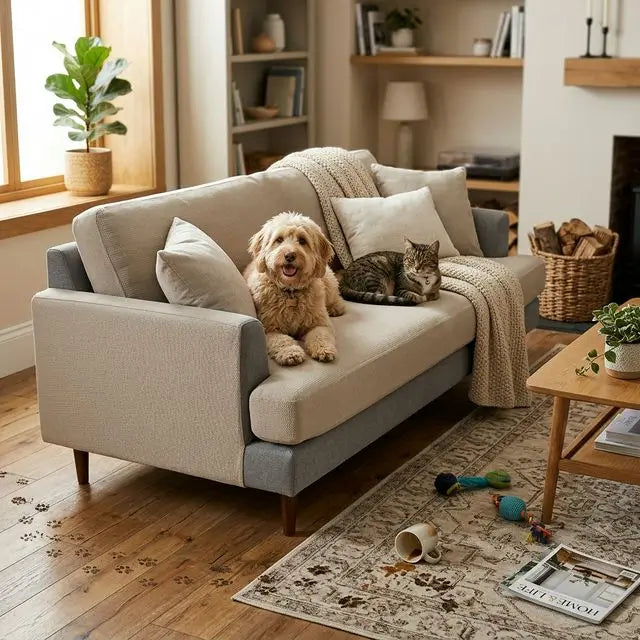


Figuring out how to choose a dog bed can feel harder than it should. One bed looks soft, another promises extra support, and a third claims to be the perfect dog bed for every pup. I have been there myself, standing in the pet aisle and scrolling product pages, trying to work out which bed for your dog will actually hold up after muddy paws, dog hair, and daily naps.
The truth is, the right dog bed depends on more than looks. Your dog’s size, sleep style, age, and even your cleaning routine all play a part. In my experience, the best dog bed is the one that gives your furry friend a cosy, supportive place to rest and still makes sense for real life at home. The sections below will help you choose a bed that suits your dog’s body, supports restful sleep, and stays easy to wash.
Start with your dog’s size, sleep style, and age
Shopping for a dog bed sounds easy until you notice how your dog actually sleeps. One of my own dogs looked tiny when she curled up, so I bought a round bed with raised edges. That worked for about two nights. By the end of the week, she was stretching like a gymnast, half on the floor, half on the bed, and clearly not getting a good night's sleep. That was my first real lesson in how to choose a dog bed: don’t shop based on how your dog looks standing up. Shop based on how your dog sleeps.
A simple way to start is this:
-
Watch your dog during day sleeping and overnight sleep.
-
Measure from nose to tail while they are relaxed.
-
Add 6–12 inches for enough space to turn, stretch, and settle.
That extra room matters more than many dog owners think. Most dogs change positions during the night. Some dogs curl into tight balls and love a bolster bed or round or oval beds. Others sprawl on their side and do better with a mattress bed or larger flat bed. For a furry friend who likes to lean into something, a bed with high walls can feel safe. For a sprawler, those same walls can get in the way.
How do I know what size bed my dog needs?
The short answer: measure your dog in their favorite dog sleeping position, not just by breed size. The RSPCA’s guidance on dog beds also points out that the bed should match both body size and sleeping style. In my experience, when people feel overwhelmed by many dog beds, they often buy too small because the bed looks cosy online.
Your dog's age matters too. A growing puppy may need a new dog bed sooner than expected. Older dogs and senior dogs often need lower sides so they can step in without banging stiff joints. A bed that is cute for a young pup may be the wrong bed later.
Here’s what that means for you: before you compare colors, fabrics, or stylish beds, make sure the bed fits your dog’s body, sleep style, and stage of life.
Pick materials that are simple to wash and fast to dry
A bed can look soft and pretty on day one, then become a magnet for mud, smell, and dog hair by day five. That is why I care so much about materials. When I help friends with choosing a dog bed, I tell them not to ask only, “Is it soft?” Ask, “Will I still like this after the third muddy walk of the week?”
The perfect dog bed for daily life usually has three parts:
-
an outer cover that unzips fully
-
machine washable covers
-
a waterproof liner that protects the inside
That middle layer matters a lot. Without it, one accident or wet coat can soak the filling and turn your new bed into a long drying project. The CDC’s pet cleaning advice supports regular cleaning of pet items, which is much easier when the bed is built for it.
What material is best for a dog bed?
There is no single best fabric for every dog. In my experience, the best choice is the one that fits your dog’s mess level and your laundry routine. For example:
-
Tightly woven fabrics usually release hair faster.
-
Soft beds with very long plush fibres can trap dirt and take longer to dry.
-
Machine washable covers save time.
-
A hidden zip and sturdy seams help the bed keep its original shape.
The RSPCA recommends washable bedding and practical materials, which lines up with what I see in real homes. Readers looking at luxury dog beds should keep this in mind too. Fancy fabric is not always the right bed if it can only be spot-cleaned.
For dogs who come in damp or who shed a lot, I lean toward washable woven covers over shaggy textures. Dogs love comfort, but dog owners also need a bed that dries in a reasonable time. The key thing to remember is this: a beautiful bed is only a great dog bed if you can clean it without a fight.


Choose support that suits your dog’s body, not just the price
A cheap bed that goes flat in a month is not a bargain. I learned that with a large rescue dog I fostered years ago. He had mild joint issues, and the bed I first bought looked thick in the photos. Once he lay down, he sank straight through it. By morning, he moved slowly and looked stiff. After switching to an orthopedic dog bed with solid memory foam, he got up far more easily. That change made me rethink what comfort really means.
Should dogs sleep on hard or soft beds?
Most dogs do best on something in the middle. A bed should cushion the body without letting the dog bottom out onto the floor. Too hard, and the bed can press on pressure points. Too soft, and it may not support the dog's body well enough.
This matters even more for:
-
older dogs
-
senior dogs
-
larger dogs
-
dogs with joint pain
-
dogs with hip dysplasia
-
dogs suffering from joint problems
Research-backed veterinary guidance from VCA on arthritis in dogs explains why support and comfort matter when joints are sore. For dogs with mobility issues, I look for orthopedic beds or orthopaedic mattresses that support the hips, shoulders, and spine.
Do dogs need orthopedic beds?
Not every dog does. A healthy young dog may be fine on a well-made standard bed. But if your dog is older, heavy, stiff after naps, or slow to stand up, an orthopedic dog bed is often the best dog bed choice. Groups focused on canine arthritis also discuss the value of supportive bedding for pain management, including Canine Arthritis Resources and Education.
Memory foam is usually better than loose stuffing because it spreads weight more evenly. That can help reduce stress on pressure points. Here’s what that means for you: don’t judge support by price tag alone. Press into the bed, check the depth, and think about how your dog rises after sleep.


Think about cleaning load, not just “machine washable”
“Machine washable” sounds great, but it does not always mean easy. I have tested many dog beds that technically fit that label, yet still took forever to strip, wash, and dry. One had a cover so tight that I needed both hands, a knee, and a lot of patience to put it back on. Since then, I look at the full cleaning load, not the marketing line.
How often should I wash my dog’s bed?
For most homes, every 1 to 2 weeks is a good starting point. Wash more often if your dog sheds heavily, has allergies, tracks mud indoors, or has accidents. The American Kennel Club’s cleaning guide supports regular washing to reduce dirt, odour, and build-up.
When I assess a bed for your dog, I use a quick checklist:
-
Does the removable cover zip off fully?
-
Is there a waterproof liner under the cover?
-
Can the cover go in a normal home washer?
-
Can it air dry in under 24 hours?
-
Are replacement covers sold?
-
Will the insert keep its original shape after washing?
That last point gets missed a lot. A bed can start strong, then become lumpy after a few cycles. In my experience, that is one reason some people stop using the own bed they bought and toss in blankets instead.
The CDC cleaning guidance for pet supplies is also helpful here. Safe, regular cleaning matters, especially if the bed sits in family spaces.
The right dog bed should fit your laundry routine, not make it harder. If washing the bed feels like a weekend project, it probably is not the right bed for your home.
Match the bed to your home and daily routine
A bed that works in a showroom may fail in a busy home. That is why I always ask where the bed will live before I suggest bed options. Near the back door? In the lounge? Inside a dog crate? Beside your bed? The answer changes what kind of bed for your dog makes sense.
For example, dogs in small flats often need multiple beds less than they need one easy-to-move, easy-to-clean bed. In larger homes, at least one bed in the main family area plus one quiet bed in a calmer space can work well. The RSPCA recommends warm, quiet resting spots, and I agree. Many dogs like having a safe place away from foot traffic.
Where should a dog bed go in the house?
The best spot is calm, dry, and free from drafts. For some anxious dogs, a bed near family life feels safer. Others sleep better in a quieter room or an enclosed space such as an open crate setup if they already like that routine.
Think about your dog’s habits:
-
Small dogs may like extra warmth and a snug round bed.
-
Dogs who rest flat may prefer oval beds or a mattress bed.
-
Some dogs love a calming dog bed with raised edges.
-
Others need bigger beds with no walls at all.
I also tell people to think about daily mess. If your four legged friend comes in wet, a bed with a waterproof liner and quick-dry cover near the door may save your floors. If the bed sits in the lounge, you may care more about stylish beds that still have machine washable covers.
Most dogs spend a huge chunk of the day asleep or resting. Research on canine sleep patterns suggests dogs spend many hours in rest each day, which is one reason bed choice matters for comfort and recovery; the Sleep Foundation’s dog bed guide also highlights support, washability, and material choices.
Here’s the takeaway: the best dog bed is not just the one your dog likes in theory. It is the one that fits your home, your routine, and the way your dog actually lives and sleeps.
Use a simple buying checklist before you click “buy”
By this point, most dog owners have narrowed the choice down to two or three beds. That is usually when second-guessing starts. I see it all the time: one bed looks softer, one looks prettier, and one seems more practical. When that happens, I stop comparing marketing photos and go back to a simple checklist. It keeps choosing the right bed from turning into guesswork.
A perfect dog bed should match your dog’s body, habits, and your home. It should also hold up after real use, not just look good out of the box. The RSPCA’s advice on choosing dog beds is a good reminder that comfort, fit, and practical care all matter.
Dog bed buying checklist
Before you buy a new dog bed, run through these points:
-
Size: Does your dog have enough space to curl up and stretch out?
-
Sleep style: Does your dog prefer a round bed, bolster bed, or mattress bed?
-
Support: Does your dog need memory foam, solid memory foam, or one of the firmer orthopedic beds?
-
Entry height: Can older dogs or dogs with stiff joints step in easily?
-
Washability: Does it have a full removable cover and machine washable covers?
-
Protection: Is there a waterproof liner under the cover?
-
Shape retention: Will the bed keep its original shape after washing?
-
Placement: Does it fit where your dog will actually use it, like the lounge or dog crate?
-
Backup plan: If you have multiple beds or want at least one bed in another room, can you buy a second later?
Best bed type by dog need
Here is the quick version I use:
|
Dog need |
Best bed style |
Washability must-have |
Bonus feature |
|---|---|---|---|
|
Dogs who curl up |
Round or oval beds |
Zip-off cover |
Raised edges |
|
Dogs who sprawl |
Mattress bed |
Full machine-washable cover |
Non-slip base |
|
Senior dogs |
Orthopedic dog bed |
Removable outer layer |
Low entry side |
|
Anxious dogs |
Calming dog bed or bolster bed |
Washable plush cover |
High walls |
|
Wet or muddy dogs |
Flat practical bed |
Waterproof liner |
Quick-dry fabric |
|
Larger dogs |
Firm orthopedic style |
Durable cover |
Thick foam core |
In my experience, the right dog bed is rarely the one with the flashiest label. It is the bed your dog uses every day, the one you can wash without a fuss, and the one that still feels supportive after months of sleep. That is the bed worth your money.
Conclusion
Finding the best dog bed gets easier when you strip the choice back to a few basics. Start with your dog’s size, sleep style, and dog's age. Then check the materials, support, washability, and where the bed will live in your home. That is the real answer to how to choose a dog bed without wasting money on the wrong one.
FAQs
What type of bed is best for dogs?
The best dog bed depends on how your dog sleeps, how large they are, and whether they need extra support. Curl-up sleepers often like bolster beds, while stretchers usually do better on flat mattress-style beds.
How do I know what size bed my dog needs?
Measure your dog while they are resting in their normal sleep position. Then add extra room so they can stretch, turn, and settle comfortably.
Do dogs need orthopedic beds?
Not every dog needs one, but orthopedic beds are often a smart choice for senior dogs, large breeds, and dogs with arthritis or mobility issues.
How often should I wash my dog’s bed?
Most dog beds should be washed every one to two weeks. Wash more often if your dog sheds heavily, has allergies, gets muddy, or has accidents.
What material is best for an easy-to-wash dog bed?
Look for a removable machine-washable cover, a waterproof inner liner, and a tightly woven fabric that does not trap hair or take too long to dry.