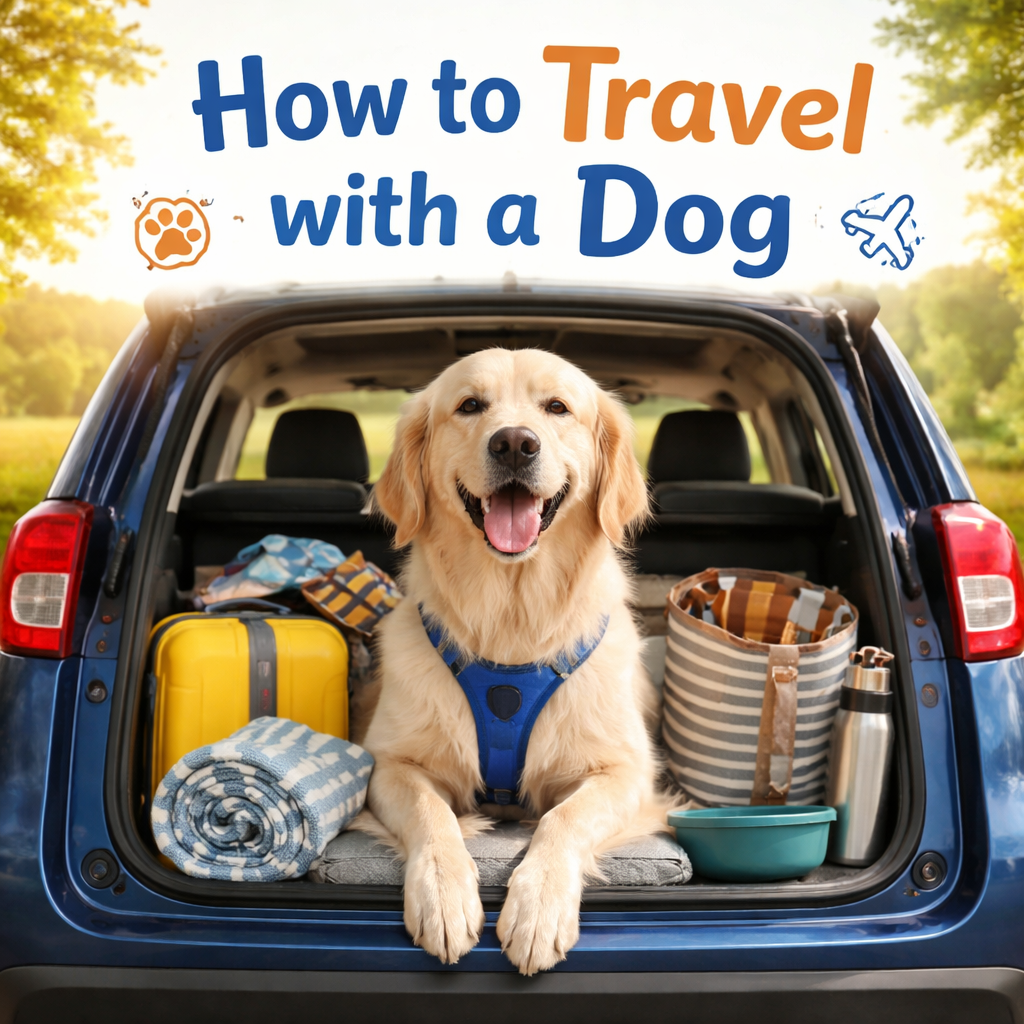


If you have ever needed help getting your dog or cat to the vet, groomer, or airport, you may have heard of a pet taxi. A pet taxi service is a convenient way for pet owners in the UK to arrange safe and reliable pet transport when they cannot drive or when pet travel becomes difficult. In this guide, you will learn how a pet taxi service works, how much it costs in the UK, how to choose a reliable company, and how to prepare your pet for a smooth journey.
What Are Pet Taxi Services?
A pet taxi service is a specialised taxi service designed to transport animals safely. Unlike a normal taxi, these services focus on the needs of pets and their owners. The driver is usually trained in animal handling and understands how to keep pets calm during the ride.
Most pet friendly taxis operate door-to-door. This means the driver will collect your dog, cat, or other small animals like guinea pigs from your house, secure them inside the vehicle, and drive them to the requested location.
Typical journeys include:
-
Vet appointments
-
Trips to a groomer
-
Airport or train station transport
-
Boarding kennels or pet hotels
-
Moving house or holiday travel
-
Returning pets to their owner after adoption
Many companies also handle longer journeys across the UK or even parts of Europe. A key difference between a pet taxi and a regular taxi is safety. Pets may travel in a carrier, dog car seat, or specialist restraint system. This reduces stress for the animal and keeps the driver focused on the road.

Why Do You Need a Pet Taxi?
-
Vet visits when you cannot drive: A pet taxi service helps when your dog or cat needs to see the vet but you are unable to drive. This is common for busy pet owners, older people, or those without a car.
-
Trips to the groomer or daycare: Many pet friendly taxi services take pets to a groomer, daycare, or training class. The driver picks up your furry friend from your door and returns them safely after the visit.
-
Airport or holiday travel: A pet taxi can transport your pet to airports, boarding kennels, or holiday locations. This makes pet travel easier and more organised.
-
Help with longer journeys: Professional pet transport companies can handle longer journeys across the UK. Their vehicles are designed to keep animals comfortable and secure.
-
Support for nervous or large dogs: Some big dogs or anxious pets feel fear during travel. Experienced drivers know how to handle pets calmly and reduce stress during the journey.
How to Choose the Best Pet Taxi Service
Not all pet friendly taxi services offer the same level of quality. Choosing the right company can make the journey safer and more comfortable for your pet.
Start by checking whether the company is insured and experienced in transporting animals. A reliable pet taxi service should clearly explain how pets will travel inside the vehicle, whether in a carrier, seat restraint, or crate.
Look for companies with positive reviews from clients. Reviews often reveal how helpful and professional the drivers are when dealing with pets.
It is also important to check that the company follows UK safety rules. The Highway Code states that animals must be properly restrained in vehicles so they cannot distract the driver or cause injury.
How Do Pet Taxi Services Work?
Most pet taxi services follow a simple booking process designed for convenience.
First, the owner contacts the company to book a trip. This can usually be done online or by phone. The service will ask for important details, including:
-
The breed and size of your dog or cat
-
Pickup location
-
Travel destination
-
Special needs or medical instructions
On the day of the journey, the driver arrives at your door. The pet is safely placed in a carrier or secured seat inside the vehicle.
The driver then transports the pet to the requested destination, such as the vet, groomer, or airport.
Some pet friendly taxi services allow both you and your pet to travel together. Others operate as a pet-only transport service, where the driver handles the trip while the owner stays at home or work.
For longer trips, companies may schedule rest stops so the pet can stretch, drink water, and stay comfortable. After the visit, the service may also provide a return home trip if needed.
What a Good Pet Taxi Service Should Offer
A high-quality pet taxi service should provide more than just a ride. It should focus on safety, comfort, and trust. Professional companies typically offer:
-
Secure travel: Pets should travel in safe carriers or secured seats to prevent injury during the journey.
-
Trained drivers: Drivers should understand animal behaviour and know how to keep pets calm during travel.
-
Clean vehicles: Clean, well-maintained vehicles reduce the risk of illness and keep the ride comfortable.
-
Insurance coverage: Reliable companies are usually insured to protect pets and customers during the trip.
-
Clear communication: Customers should receive updates, booking confirmation, and contact details for the driver.
Some companies even offer a chauffeur-style service, where pets receive personal care and attention throughout the trip. For nervous pets, using familiar items like a calming mat or blanket can help reduce stress during travel.


How Much Does a Pet Taxi Cost in the UK?
The price of a pet taxi in the UK can vary depending on several factors. Most companies calculate costs based on distance, time, and the type of service required.
Short local trips, such as a vet visit, may cost around £20–£50. Longer journeys, especially between cities, can cost more depending on mileage.
Other factors that affect the price include:
-
Waiting time during a vet appointment
-
Transporting big dogs or multiple pets
-
Late-night or holiday bookings
-
Extra cleaning if the pet creates a mess
For longer journeys, some companies charge per mile. Others offer fixed prices for common routes such as airport transfers. While prices may vary, most pet owners agree the convenience, safety, and professional care are worth the cost.
How to Prepare Your Dog for a Pet Taxi Ride
Preparing your dog before the journey helps reduce stress and makes the ride smoother for both the pet and the driver. A few simple steps can make a big difference.
-
Let your dog go to the toilet before the ride: Before the pet taxi arrives, take your dog outside for a short walk. This helps prevent accidents during the journey and keeps the vehicle clean for all passengers.
-
Avoid feeding a large meal before travel: Some dogs experience motion sickness during car travel. Feeding a big meal just before the ride may increase the chance of vomiting. The PDSA explains that car sickness is common in dogs, especially younger ones.
-
Bring a familiar item from home: A blanket, toy, or calming mat that smells like home can help your furry friend feel safe during the trip. Familiar scents can lower fear and help the dog remain calm inside the carrier or seat.
-
Use a secure carrier or harness: Your pet should travel in a safe carrier or secured seat during the ride. The UK Highway Code states that animals must be properly restrained in vehicles to prevent driver distraction and improve safety.
-
Share important details with the driver: Tell the pet taxi driver about your dog's breed, behaviour, and any medical needs. If your dog gets nervous or reacts to strangers, this information helps the driver handle the pet more carefully.
-
Stay calm during pickup: Dogs often sense their owner’s emotions. If you stay relaxed and positive when the pet taxi service arrives, your pet is more likely to feel safe and comfortable during the ride.


By preparing your dog properly, you can help ensure a stress free journey for your furry friend, the driver, and everyone involved in the pet transport service.
Tips for Booking a Pet Taxi
Booking the right pet taxi service can make a big difference. Here are a few simple tips:
-
Book early: Popular services may be fully booked during busy periods.
-
Provide clear details: Share your pet’s breed, behaviour, and medical needs.
-
Confirm safety measures: Ask how pets will be secured inside the vehicle.
-
Check reviews: Reviews from other customers can reveal how reliable the company is.
-
Ask about return journeys: Some services offer discounts when booking both trips at once.
Good communication helps ensure the entire journey runs smoothly.
FAQs
How much do pet taxis charge?
Prices vary depending on distance and waiting time. Short local trips often cost between £20 and £50, while longer journeys may cost more based on mileage.
Do taxis take dogs in the UK?
Some regular taxis allow dogs, but it depends on the driver. Many pet owners prefer pet friendly taxis because they are designed specifically for transporting animals.
Do Uber taxis take dogs?
Uber allows pets only if the driver agrees. Some areas offer Uber Pet, but availability varies. A pet taxi service is usually more reliable for guaranteed pet travel.
Can a taxi refuse to take a dog?
Yes. A standard taxi driver can refuse animals if they are not comfortable transporting them or if the animal is not secured properly.
Conclusion
A pet taxi can make life easier for pet owners across the UK. Whether your dog needs a trip to the vet, a visit to the groomer, or transport to the airport, these services offer a safe and convenient way to travel. By choosing a professional, insured, and experienced pet taxi service, you can ensure your furry friend travels comfortably and securely.