

Choosing the right dog for your family is a big decision. With around 10.6 million pet dogs in the UK and 28% of UK adults owning a dog, it’s clear that dogs play an important role in family life. But not every breed is a good match for every household.
In the sections below we’ll explore which dog breeds suit different families, including some playful dogs with boundless energy and some calm, gentle giants.
What Makes a Good Family Dog?
A great family dog isn’t just about looks. The best family dogs usually share these traits:
-
Gentle temperament – Calm and patient around children
-
Trainable – Willing to learn and respond well to positive training
-
Sociable – Enjoys being around people rather than staying alone
-
Adaptable – Can adjust to family routines, noise, and activity levels
-
Appropriate energy level – Matches your family’s lifestyle
Best Large Dog Breeds for Families
Large dogs can be fantastic playmates and protectors when they are matched with homes that provide sufficient space and daily exercise. Here are five gentle giants that make excellent family dogs when their needs are met:
-
Labrador Retriever: Labradors are the UK’s most popular pedigree breed because of their versatility. They are friendly, eager to learn and enjoy being part of an active family. Originally bred to retrieve fishing nets and game, they love water, fetch games and long walks. Their protective nature is minimal—most Labs greet strangers with a wagging tail—so they suit families seeking a sociable dog. Early training prevents their exuberance from overwhelming small children.

-
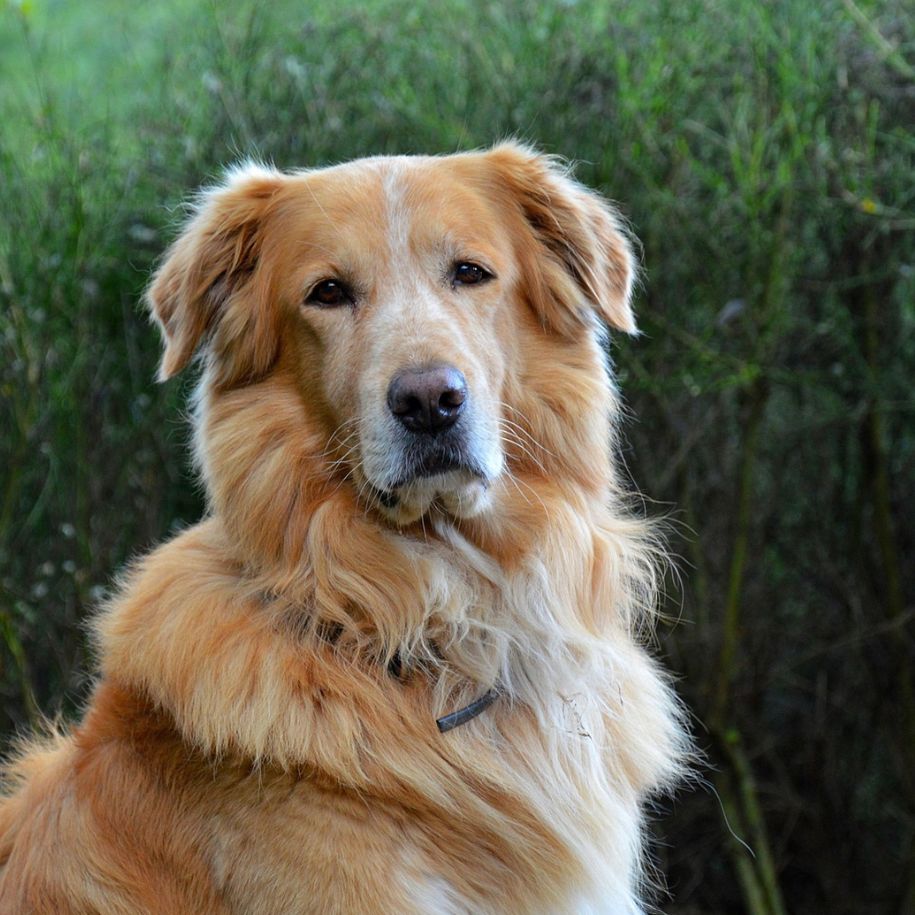
Golden Retriever: Golden Retrievers are intelligent workers with a gentle demeanour. As gundogs they were trained to retrieve game and their temperament makes them ideal all‑round family dogs. They thrive on human companionship and can be high energy dogs, so regular exercise and mental challenges are vital. Many owners choose them for therapy or assistance work because they’re incredibly smart and eager to please.

-
German Shepherd: German Shepherds are highly intelligent, alert, and protective. They form strong bonds with their family and are known for loyalty. With proper training and early socialisation, they can be excellent companions for families with older children. They do best in active households where they receive daily exercise and mental challenges.

-
Great Dane: Often called gentle giants, Great Danes are calm, affectionate, and patient despite their size. They usually do well with kids but can easily knock over very small children by accident. They are best suited to family homes with enough space and parents who can manage a large dog safely.

Large breeds are best for families who can provide space, structure, and consistent training.
Best Medium Dog Breeds for Families
Medium-sized dogs often strike the perfect balance between strength, size, and manageability, making them a great match for many families.
-
Border Terrier: Border Terriers are small but sturdy, making them well suited for families with young children. They are cheerful, adaptable, and enjoy playtime without being overly demanding. Their moderate energy level makes them a great fit for both active families and calmer households.

-
Boxer: Boxers are entertaining and active dogs who thrive on company and enjoy clownish antics. Originally working dogs, they have boundless energy and need adequate exercise. Their loyal and protective nature makes them great companions for active households.

-
Standard Poodle: Standard Poodles are highly intelligent, easy to train, and excellent with kids. They are affectionate and tend to be a good option for families concerned about allergies because they shed less than many breeds. They need regular grooming and mental stimulation to stay happy.

-
Cocker Spaniel: Cocker Spaniels are affectionate, playful, and eager to please. They thrive on human interaction and can be excellent companions for children. Regular grooming and daily walks are important for their health and happiness.

Medium dog breeds tend to fit comfortably into standard houses and gardens, but they still require daily physical and mental stimulation. When trained and socialised, these breeds provide the right mix of playfulness and calm for many families.
Best Small Dog Breeds for Families
Small dogs can be wonderful family pets, especially for homes with limited space, as long as children are taught to handle them gently.
-
Cavalier King Charles Spaniel: Originally bred as companion dogs, Cavaliers are gentle, loyal and affectionate. they are popular family dogs due to their small size and love of people. They adapt to city or country living as long as they receive daily exercise and company. Because they can get very upset when left alone, they are best for families where someone is often at home.

-
Pug: Pugs are affectionate, calm, and love being close to their people. They enjoy cuddling on the sofa and are generally good with kids. Because they are prone to breathing and heart problems, owners should monitor exercise and weight carefully.

-
Beagle: Beagles are friendly, curious, and playful. They usually get along well with children and other pets, including other dogs and cats. Beagles need regular walks and secure outdoor space, as their strong sense of smell can lead to chasing instincts.

-
Whippet: Seen as smaller Greyhounds, Whippets are gentle dogs who love to chase; therefore a secure garden is essential. They need opportunities to run but then happily curl up on the sofa for the rest of the day. Their quiet demeanour makes them popular with first‑time owners, although training can take time.

Small breeds generally need less space, but they still require commitment to daily walks, socialisation and mental enrichment. They can offer big personalities in compact bodies and often live well into their teens when properly cared for.
Adoption or Breeder: What’s Better for Families?
Adopting a Dog: Adopting from a rescue centre can be a great choice. Many dogs are already house-trained, and staff can help match you with a family-friendly dog.
Buying from a Breeder: If you choose a breeder, make sure they are responsible and transparent. Puppies should stay with their mother until at least 8 weeks old.
Legal Responsibilities for Dog Owners in the UK
-
Microchipping: All dogs must be microchipped by 8 weeks old. Owners can be fined up to £500 if they fail to comply.
-
Control in public: Some dogs may be legally required to be kept on a lead or muzzled under specific court orders or exemption rules.
Costs of Owning a Family Dog
Getting a family dog is exciting, but smart pet owners plan their wallet as well as their walks. Here’s a clear, Grade-8 breakdown of what most UK families spend in year one.
1. One-off “welcome home” kit
-
Dog Bed, lead, bowls, toys, first jabs, wormers and neutering come to about £415 for small dogs, £531 for medium sized dog breeds, and £560 for large breeds.
-
Add a legal ID tag (~£10) and microchipping (often included by the breeder or rescue, but budget £20 if not).

2. Adoption or purchase fee
-
Rehoming centres such as the RSPCA ask roughly £150–£200 per dog, which already covers neutering, vaccination and a health check. Buying from a breeder can be far higher, especially for a popular particular breed like a Golden Retriever puppy.
3. Monthly essentials
-
Food, insurance, flea and worm treatments, poo bags and fresh toys cost £69 for a small dog, £83 for a medium dog and £116 for a large dog every month. Multiply by 12 for your annual running total.
4. Extra but common expenses
-
Training classes (£120-£200 per six-week course) keep high-energy or strong-willed pups well behaved.
-
Grooming for long coats (e.g., a Cocker Spaniel’s feathering) can be £40-£60 every eight weeks.
-
Holiday boarding averages £25-£35 per day; many owners forget to factor this in.
5. Emergency buffer
-
Vet bills for accidents or hidden health issues can reach four figures. A mid-range pet-insurance policy (~£30 a month for a medium dog) guards against shocks and supports responsible ownership.
FAQs
What is the most family-friendly dog?
Labrador Retrievers and Golden Retrievers are often considered the most family-friendly dogs because they are patient, affectionate, and easy to train.
What is the calmest family dog?
Great Danes, Bernese Mountain Dogs, and Cavalier-type breeds are known for their calm temperament when properly exercised and trained.
What is the friendliest dog breed?
Golden Retrievers, Labradors, and Bichon Frises are widely known for their friendly, outgoing personalities.
Conclusion
The best family dog is one that fits your home, routine, and energy level. Take time to research, meet different dogs, and be honest about what your family can offer. With the right match, a dog can become a loving companion and a true member of the family for years to come.