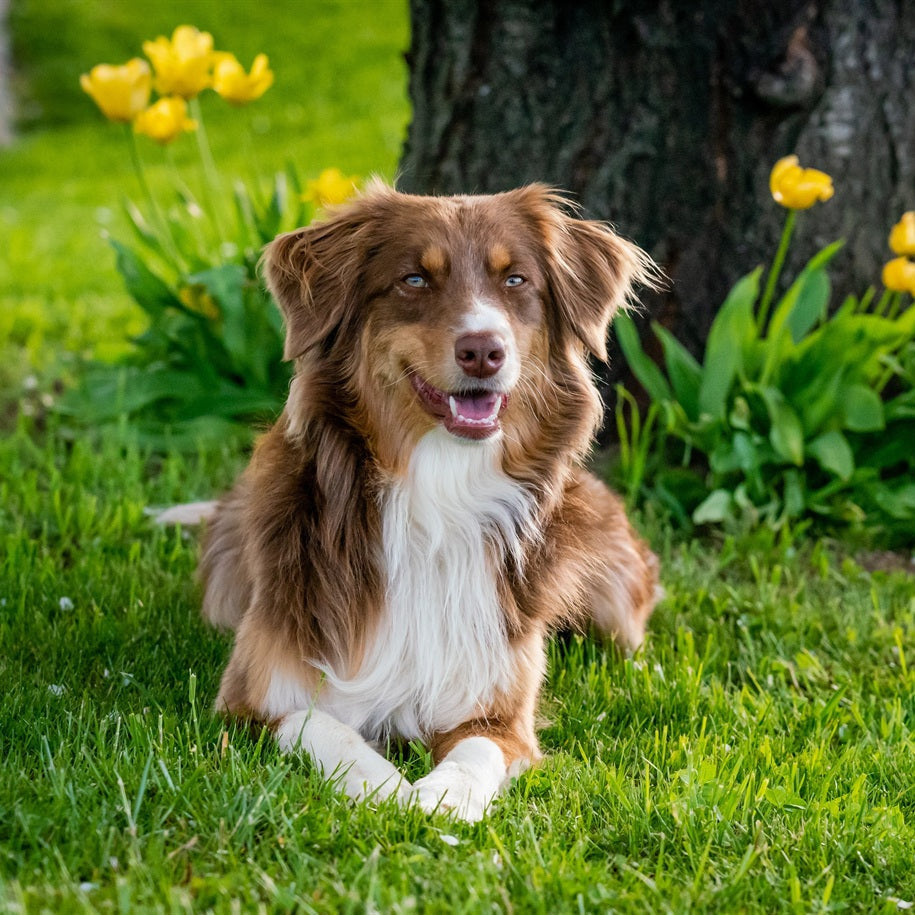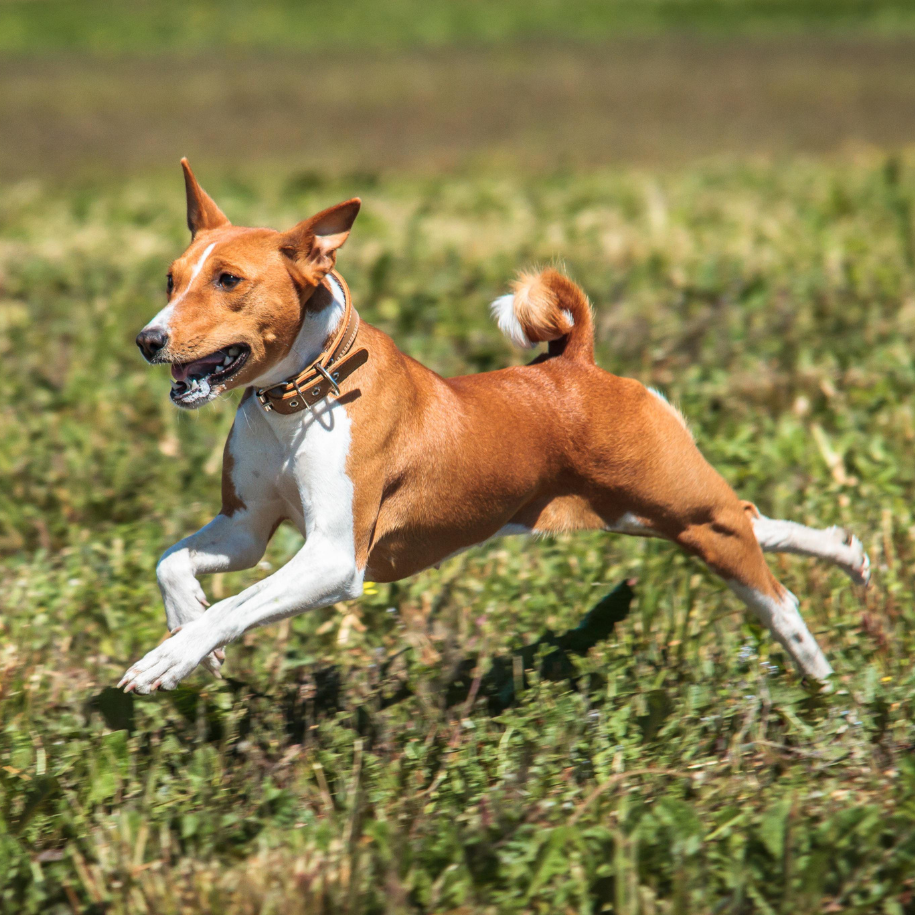


Greyhounds have a reputation problem. People see the long legs, the racing history, and the speed, then assume this breed needs endless exercise or a huge country home. In real life, many Greyhounds are gentle, sensitive dogs who enjoy a steady walk, a safe sprint, and a very serious nap.
This guide to Greyhound dog breed information and characteristics covers what UK owners actually need to know: temperament, exercise, grooming, health issues, cats, children, rescue options, and the small details that make life with a sighthound easier.
Greyhound at a Glance
The Greyhound is a large, short-coated sighthound breed known for speed, gentle temperament, deep chest, long legs, and a calm indoor nature. In the UK, many pet Greyhounds are retired racing greyhounds or rescue greyhounds, though greyhound puppies from reputable breeders also exist.
|
Trait |
Greyhound details |
|
Breed group |
|
|
Breed type |
Sighthound |
|
Size |
Large |
|
Average height |
About 69-76 cm |
|
Average weight |
About 25-40 kg, depending on type and sex |
|
Lifespan |
Often over 10 years |
|
Coat |
Short, fine, low maintenance |
|
Common colours |
Black, white, blue, fawn, red, brindle, and mixed markings |
|
Exercise style |
Daily walks plus short bursts of running in a secure space |
|
Sleep |
Many greyhounds sleep for long stretches |
|
Best known for |
Speed, gentleness, racing history, couch-potato habits |
|
Watch-outs |
Chase instinct, cold weather, dental problems, GDV risk, thin skin |
|
Good fit for |
Calm homes, patient adopters, adults, families with respectful children |
The Royal Kennel Club Greyhound page describes the breed as an ancient sighthound with acute sight, a short coat, weekly grooming needs, and up to 1 hour of exercise per day.

History and Origin
Greyhounds sit among the oldest breeds people still recognise today. Long-legged sighthounds appear in Ancient Egypt discussions, Middle East stories, old hunting records, and western literature. Some breed pages also repeat the famous claim that the Greyhound is the only breed of dog mentioned in the Bible. The King James Version line includes "greyhound" beside "he goat", though translation history is not as neat as rescue-page trivia makes it sound.
Greyhound Trust links the breed to more than 4,000 years of history and describes Greyhounds as noble dogs with a long bond with people. The Royal Kennel Club notes that Greyhound-type hounds were depicted in Ancient Egyptian tombs and that the breed became valued in Europe for hunting by sight.
In Britain, the Greyhound's story moved through hunting, coursing competition, the National Coursing Club, and later track racing. The Greyhound Stud Book and National Coursing Club says the National Coursing Club was formed in 1858 and created the original Greyhound Stud Book in 1882. That history shaped the modern Greyhound: fast, lean, alert to movement, and built to run in short, explosive efforts.
Greyhound Temperament and Personality
Greyhound temperament is the part that wins people over. Most greyhounds are gentle, sensitive, affectionate, and surprisingly soft at home. They can be noble companions, but not in a stiff, show-off way. More like: elegant head, silly sleeping pose, one leg hanging off the bed.
Blue Cross says Greyhounds are often gentle with people and can make excellent pets, while also noting that many ex-racers can adapt well from kennels to home life.
Are Greyhounds good pets?
Yes, Greyhounds can be excellent pets for the right home. They are often calm indoors, affectionate with family, and happy with a steady routine. Most greyhounds do not need a marathon-running owner. They need safe walks, soft rest, food, gentle handling, and someone who respects their chase instinct.
|
Common belief |
Reality |
|
Greyhounds need huge exercise |
They often prefer daily walks and short bursts |
|
Greyhounds are always high-energy |
Many greyhounds tend to be calm indoors |
|
Retired racers are too old |
Most retire young, often around 3-5 years |
|
Greyhounds cannot live with other dogs |
Many can, with careful matching |
|
Greyhounds are always safe with cats |
Some are, but many are not |
|
Greyhounds are outdoor dogs |
Most love indoor comfort and warmth |
Retired Racing Greyhounds and Rescue
Many UK pet Greyhounds are retired racing greyhounds. That background can be a gift: they are often used to handling, lead walking, routine, travel, and rest periods. It can also mean normal home things feel new. Stairs, glass doors, washing machines, sofas, television noise, and being alone in a quiet house may need gentle teaching.
Greyhound Trust says the majority of Greyhounds retire from racing between 3 and 5 years old, leaving them with many pet years ahead. Greyhound Gap focuses on rescue, rehabilitation, behavioural assessments, veterinary checks, and rehoming Greyhounds and Lurchers from UK stray pounds. The Greyhound Board of Great Britain retirement page says every licensed racing Greyhound that can be homed should enjoy retirement in a long-term home.
Why do Greyhounds wear muzzles?
Greyhounds may wear muzzles because some have a strong chase response around smaller dogs, cats, wildlife, or other perceived prey. A muzzle does not mean a dog is nasty. For many retired racers, it is familiar safety equipment used while owners learn the dog's behaviour.
Greyhound Trust says its rehomed dogs are provided with a collar, lead, and muzzle, and recommends muzzles out and about until owners are confident around other breeds. That is plain good sense.

The first 30 days with a rescue Greyhound should be boring in the best way:
1. Keep walks short and predictable.
2. Use a lead in public spaces.
3. Let the dog sleep without disturbance.
4. Introduce stairs slowly.
5. Feed consistent meals.
6. Delay busy dog parks.
7. Watch reactions to small dogs and cats.
8. Give one quiet resting place.
9. Build alone time in tiny steps.
10. Speak to the rescue before changing routines.
Exercise and Training Needs
Greyhounds are sprinters, not stamina machines. They are the fastest breed in the dog world, yet many are perfectly happy with daily walks and a chance to run in short bursts on a safe surface. That is why people call them couch potatoes. It is a common misconception that they need endless long walks.
PDSA says Greyhounds are not overly energetic and need about an hour of exercise daily, with contained running space because chase instinct can make recall hard. Blue Cross also says they do not need excessive exercise and are often happy with lead walks plus a burst of free running in a secure area.
Do Greyhounds need lots of exercise?
No, most Greyhounds do not need huge amounts of exercise. They need daily walks, safe chances to stretch, and mental stimulation. A secure field is ideal for running because once a Greyhound locks on to movement, calling them back can be difficult.
Good exercise options include:
-
Two calm daily walks
-
Short sprints in a secure field
-
Sniffing time on lead
-
Gentle training sessions
-
Food puzzles and interactive dog toys
-
Lure-style games in safe spaces
-
Rest after running

Be careful with young dogs, older dogs, injured dogs, and hot days. Greyhounds have low body fat, thin coats, and powerful muscles. Extreme temperatures can hit them harder than you expect. Use a soft surface where possible for running, not slippery floors or rough ground that tears skin and nails.
Training should be kind, clear, and reward based. For greyhound puppies, start early with puppy training, recall games, handling, and calm socialisation. For adult rescue Greyhounds, train life skills first: settling, name response, lead manners, muzzle comfort, doorways, car travel, and "leave it".
Grooming, Home Setup and Daily Care
Greyhounds are low maintenance in coat care, but not zero maintenance. Their short coat needs occasional brushing with a hound glove, grooming mitt, or soft brush. They shed, just not like a long-coated breed. A quick weekly once-over also gives you a chance to spot cuts, skin tears, sore nails, lumps, and changes in weight.
Dogs Trust says Greyhounds have short fur that usually needs only an occasional brush. If you are building a simple care kit, a few grooming basics are enough: brush, nail clippers or grinder, dog toothbrush, and wipes for muddy feet.
The real daily-care issue is comfort. Greyhounds are bony. That sounds blunt, but it matters. Hard floors can rub elbows and hocks, and many Greyhounds want to stretch out fully when they sleep. A roomy large dog bed is not a luxury for this breed. It is practical.
Cold weather is another UK reality. Greyhounds have short coats and little insulation, so rain, wind, and frost can make them miserable. A coat for winter walks, dry bedding, and a dog blanket for indoor warmth are sensible.

Feeding should keep them lean, not skinny. You should be able to feel ribs easily, see a waist, and avoid sudden weight gain. Greyhounds can have sensitive stomachs after diet changes, especially rescue dogs moving from kennel food to home meals. Go slowly.
Health Issues
Greyhounds are often healthy dogs, but the breed has known health issues. A rescue dog should come with as much medical history as the centre can provide. If you are looking at greyhound puppies, ask a reputable breeder about health tests, parent history, and any breed-related disease in the line.
Gastric Dilatation Volvulus
Gastric Dilatation Volvulus, or GDV, is often called bloat. It is an emergency where the stomach fills and may twist, trapping gas and blood supply. Greyhounds have a deep chest, and deep-chested breeds are a known risk group. Signs can include a swollen belly, retching without bringing anything up, restlessness, drooling, collapse, or sudden distress. Go to a vet at once. Do not wait to see if it passes.
Dental Problems
Dental problems are common in Greyhounds, especially retired racing Greyhounds. PDSA lists periodontal disease as a breed concern, and Greyhound Gap notes routine dental care among the veterinary work rescue dogs may need. Brush teeth if your dog allows it, book vet dental checks, and do not ignore bad breath, bleeding gums, loose teeth, or trouble eating. Dental pain is sneaky. Dogs hide it well.
Progressive Retinal Atrophy
Progressive retinal atrophy, often called PRA, causes gradual retina damage and can lead to blindness. Early signs may include night blindness, hesitation in dim light, or bumping into objects. Blind dogs can still have a good life, but early vet advice helps owners adapt the home, walks, and handling.
Osteosarcoma
Osteosarcoma is bone cancer, and Greyhounds are one of the breeds owners should know about. Watch for persistent lameness, swelling over a bone, pain, or sudden reluctance to bear weight. Not every limp is bone cancer. Many are minor strains. But if a Greyhound's limp does not settle quickly, I would rather pay for a vet check than regret waiting.
Von Willebrand's Disease
Von Willebrand's disease is a bleeding disorder linked with poor clotting. It may show as heavy bleeding after injury or surgery, nosebleeds, gum bleeding, or bruising. Tell your vet your dog is a Greyhound before surgery or dental work. Greyhounds can have breed-specific anaesthetic and blood-work quirks, so a vet familiar with sighthounds is a gift.
Hyperthermia and Exercise Collapse Risk
Greyhounds run hard, and some do not know when to stop. Hot weather, overexcited sprinting, and poor conditioning can be a bad mix. Keep high-speed play short. Avoid midday heat. Cool down after running. If your Greyhound becomes stiff, weak, wobbly, overheated, or collapses, seek urgent veterinary help.
Greyhound Neuropathy and Other Concerns
Greyhound neuropathy is a genetic nerve condition screened through DNA testing in breeding contexts. The Royal Kennel Club lists it under Best Practice health tests for Greyhounds. Other practical concerns include corns, thin skin, claw injuries, osteoarthritis, and old racing injuries. Regular nail care, safe surfaces, good bedding, and prompt vet checks go a long way.
Are Greyhounds Good Family Dogs?
Greyhounds can be lovely family dogs. They are often gentle, affectionate, and calm indoors. Many greyhounds get on well with older children who understand dog boundaries. They may also live with other dogs, especially after careful introductions.
Greyhounds are sighthounds. Fast movement can trigger chase, and small animals can look like prey. Blue Cross says most Greyhounds will not be suitable to live with a cat, though exceptions exist. Greyhound Trust also says some Greyhounds can be trained to live with cats and other small pets, but owners should discuss this with their local branch.
|
Home situation |
Greyhound fit |
|
Adults or older children |
Often a strong fit |
|
Small children |
Possible with calm children and close supervision |
|
Other dogs |
Often possible with matching and introductions |
|
Cats |
Case by case; many are not suitable |
|
Rabbits, guinea pigs, small pets |
Usually risky |
|
Only dog home |
Often fine if the dog copes alone |
|
Flat or smaller home |
Possible if walks and rest space are good |
|
Busy noisy home |
Some cope, some find it stressful |
If you already have other dogs, let a rescue centre guide matching. If you have cats, say so early and be honest. The rescue has seen enough Greyhounds to know which dogs are realistic candidates and which need a cat-free home.
Buying or Adopting a Greyhound in the UK
For most UK households, adoption is the main route into Greyhound ownership. Rescue greyhounds and retired racing greyhounds are widely available, and a good centre will assess each dog, explain behaviour around other dogs, talk through cat testing if relevant, and support you after adoption.
Start with:
-
Greyhound Trust branches
-
Dogs Trust rehoming centres
-
Blue Cross adoption pages
-
Greyhound Gap and other specialist rescues
-
GBGB-approved homing centres
-
Royal Kennel Club resources if buying a puppy
The GBGB Greyhound Retirement Scheme explains that a GBP 420 bond supports each eligible retired racer entering an approved homing centre.
Should I adopt a retired racer or buy a puppy?
Adopt a retired racer if you want an adult dog with known size, a rescue assessment, and a clearer idea of temperament. Buy a puppy only if you want to raise a young dog from scratch and can find a reputable breeder who answers health, temperament, and socialisation questions properly.
Ask before adopting:
-
Can this dog live with other dogs?
-
Has the dog met small dogs safely?
-
Is the dog cat-tested?
-
Does the dog need to be an only dog?
-
How does the dog cope alone?
-
Has the dog lived in a house before?
-
Any racing injuries or dental work?
-
Any issues with stairs, traffic, noise, or food?
-
What support is offered after adoption?
Ask before buying:
-
Can I meet the mother?
-
What health tests have been done?
-
Is Greyhound neuropathy testing relevant to this line?
-
What is the puppy's socialisation plan?
-
What contract and return policy is offered?
-
Is the breeder open to vet checks and questions?
FAQs
Is a greyhound a good family dog?
Yes, a Greyhound can be a good family dog in the right home. Most greyhounds are gentle, affectionate, and calm indoors, but children should be taught to respect the dog's bed, space, and sleep. Homes with cats or small pets need extra care because many Greyhounds have a strong chase instinct.
Is greyhound the fastest dog?
The Greyhound is widely known as the fastest dog breed, built for short bursts of high-speed running. They are sprinters rather than endurance dogs, which is why many are calm at home after a walk or a safe run.
Do greyhounds make nice pets?
Yes, Greyhounds often make lovely pets. They tend to be gentle, sensitive, low maintenance in grooming, and happy with routine. The best homes understand lead safety, prey drive, cold-weather care, and the need for a soft resting place.
Does greyhound bark a lot?
Most Greyhounds do not bark a lot compared with many other dog breeds. They may bark when excited, unsettled, or alerting you to something, but many retired racing Greyhounds are fairly quiet indoors once settled.
Conclusion
The Greyhound is an ancient breed, a hunting dog by origin, a racing dog in much of modern UK history, and a noble companion in the right home. Most greyhounds are gentle, sensitive, and low maintenance in coat care. They love comfort, sleep, daily walks, and short bursts of speed.
They are not for every home. Cats, small animals, off-lead spaces, cold weather, dental problems, and deep-chest health risks need thought. But for the right dog owner, a Greyhound can be one of the easiest large breeds to live with.