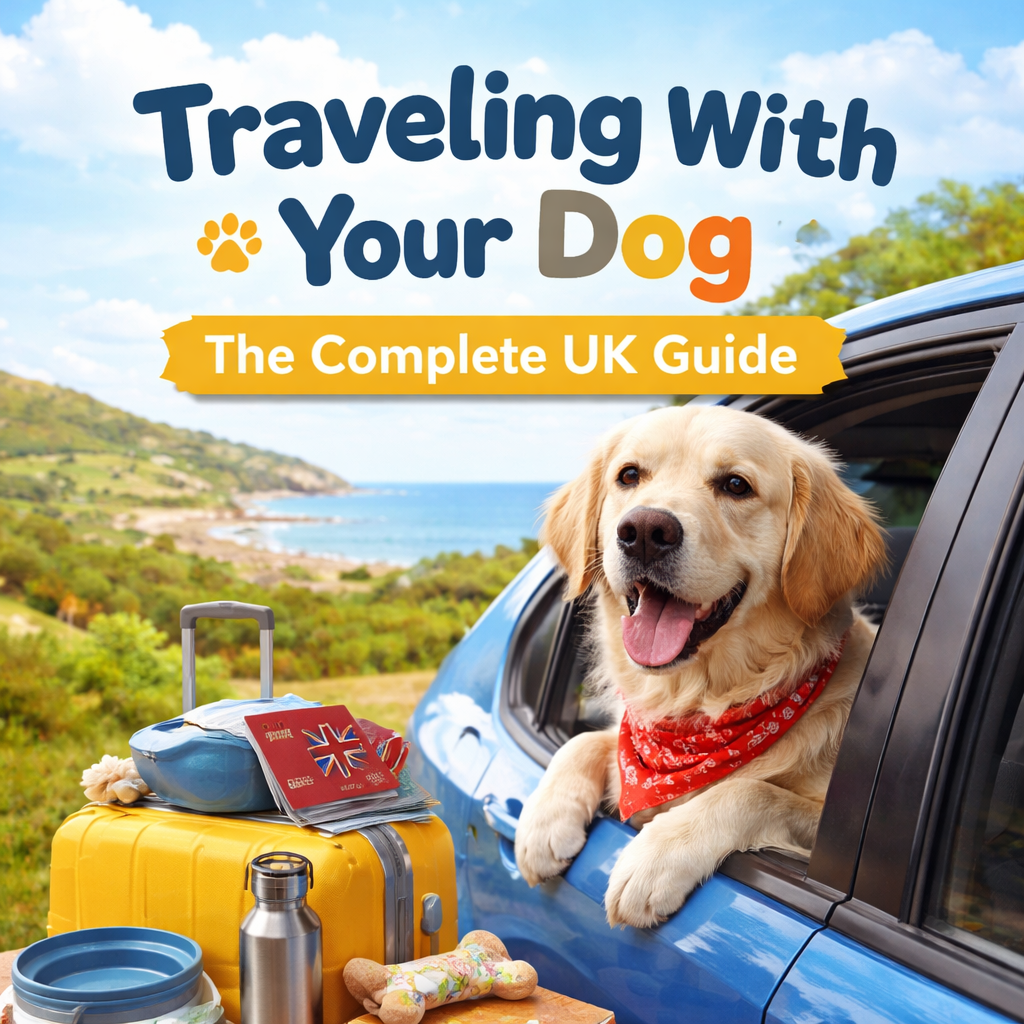


I’ve travelled across the UK with dogs for years — from rainy Lake District hikes to windy Cornwall beaches. One thing I’ve learned? The right travel gear makes the difference between a stressful day and a joyful memory.
In the UK, this matters even more. Our weather changes fast. Many beaches and parks have seasonal lead rules. And car travel laws are strict.
In this guide, I’ll walk you through exactly what you need, why it matters, and how to choose wisely. By the end, you’ll feel confident planning your next trip — whether it’s a short drive or a full holiday.
What Travel Gear Does a Dog Really Need?
When I pack for my dog, I think in six simple categories: safety, comfort, walking, feeding, enrichment, and organisation. This makes planning easy and stress-free.
1. Safety Gear
A secure travel car seat or restraint is non-negotiable. In a sudden stop, an unrestrained dog can be injured or cause injury. Safety gear protects both of you.
2. Comfort Gear
Dogs feel calmer when they have familiar items. The RSPCA’s behaviour advice explains that dogs rely heavily on scent and routine for security. Bringing their usual bed or a calming mat can reduce anxiety in new places.
3. Walking Essentials
A strong lead and harness are vital. New environments increase excitement, which can lead to pulling or sudden lunging.
4. Feeding & Hydration
Travel bowls and fresh water prevent dehydration, especially in warmer months.
5. Enrichment Gear
Interactive toys prevent boredom during long drives.
6. Organisation Gear
A dedicated dog travel bag keeps everything in one place.
UK Dog Travel Laws & Safety Rules You Should Know
Before I ever focus on comfort, I focus on safety and the law. In the UK, dogs must be suitably restrained in a car. According to the official Highway Code guidance, this can include a harness, pet carrier, dog cage, or guard.
If a dog distracts the driver, you could face fines or penalty points. But beyond the legal risk, there’s a serious safety issue. In a 30 mph collision, the force on a moving object multiplies dramatically. An unsecured dog can become a projectile.
I always tell fellow dog owners: follow the law not just to avoid fines, but to protect your dog’s life. The right travel gear is part of responsible ownership.
Keeping Your Dog Safe on the Road
Car travel is where most problems happen — but it’s also where the right gear makes the biggest difference.
For small and medium dogs, I prefer secure travel car seats. They elevate the dog slightly, which helps many dogs feel more stable. Dogs naturally seek balance during motion. When they can see out and feel supported, anxiety often decreases.
For larger dogs, secure positioning combined with waterproof seat covers is key. UK weather means wet coats are common. Waterproof covers protect your interior from mud, sand, and fur. This isn’t just about cleanliness — it reduces driver stress, which makes the journey calmer overall.
I also always bring my dog’s regular bed. The familiar smell helps them settle quickly once we arrive. The RSPCA highlights how routine and familiar objects reduce stress behaviours in dogs.
How to Calm an Anxious Dog During Travel
Travel anxiety is more common than many people realise. I’ve worked with dogs who shake, drool, or whine as soon as the engine starts.
One cause is motion sickness, which is especially common in puppies. The veterinary charity PDSA explains that young dogs are more prone to travel sickness due to inner ear development (PDSA travel sickness guide).
But anxiety can also come from association. If every car ride ends at the vet, your dog may connect the car with stress.
Here’s what has worked in my experience:
-
Start with short practice drives.
-
Keep your tone calm and upbeat.
-
Avoid feeding right before travel.
-
Use calming mats that provide gentle surface comfort.
-
Offer interactive toys to shift focus.
Mental stimulation matters. According to the RSPCA behaviour resource, enrichment reduces stress-related behaviours.
The goal isn’t to eliminate all nervousness overnight. It’s to build positive travel experiences step by step. With patience and the right gear, most dogs learn that travel means adventure — not fear.
Travel Gear for Different UK Trip Types
Over the years, I’ve learned that not all trips are the same. The travel gear I pack for a Cornish beach holiday is very different from what I bring on a Peak District hike. Thinking about the type of trip helps you pack smarter — and avoid problems before they start.
Seaside Holidays
British beaches are beautiful, but they bring sand, wind, and strong sun. I always pack waterproof car seat covers because wet, sandy fur spreads fast. Sand can also irritate paws, so fresh water and a travel bowl are essential.
I schedule beach walks early morning or evening. I also bring a calming mat or bed so my dog can rest in shade. Simple planning keeps seaside trips safe and fun.
Countryside & Hiking Trips
In the countryside, control and protection matter most. Livestock, wildlife, and narrow paths require a strong lead and reliable recall. Many UK areas require dogs to be on leads near farm animals.
Muddy terrain means waterproof covers are a lifesaver for the drive home. I also bring a supportive dog bed for overnight stays. After long walks, joints need proper rest — especially for larger breeds.
City Breaks
City trips bring noise, traffic, and crowds. Even confident dogs can feel overwhelmed. I focus on compact gear: a short, sturdy lead, portable water bowl, and a calming surface for hotel stays.
In cities, hydration is often overlooked. Pavements hold heat, and walking distances can be longer than expected. I stop regularly and offer water.
With the right travel gear, city breaks can feel exciting instead of stressful — for both of us.
Travel Gear by Dog Size & Life Stage
One of the biggest mistakes I see is owners buying “one-size-fits-all” gear. Dogs are individuals. Age and size change everything.
Puppies
Puppies are more likely to suffer from motion sickness because their inner ear is still developing. The PDSA notes that travel sickness is common in young dogs in their travel sickness advice page.
For puppies, I use:
-
Secure travel car seats
-
Chew-safe interactive toys
-
Short practice drives
Puppies also get bored quickly. Mental stimulation keeps them calm during longer journeys.
Senior Dogs
Older dogs often struggle with joint pain.
For my older dog, I prioritise:
-
Supportive, cushioned beds
-
Easy car access
-
Frequent rest breaks
Soft surfaces reduce pressure on joints after long drives. I also plan shorter travel days whenever possible.
Large Breeds
Large dogs need space and stability. In smaller UK cars, positioning matters. Heavy-duty waterproof covers protect seats from weight and dirt.
Non-slip surfaces are important. Large dogs can lose balance during sharp turns. Secure placement prevents injury and anxiety.
Choosing travel gear based on life stage solves problems before they happen.
The Ultimate Dog Travel Checklist for UK Owners
I always use a checklist before leaving home. It prevents last-minute stress and forgotten essentials.
Safety
-
Travel car seat or restraint
-
Lead and harness
-
ID tag with updated contact details


Comfort
-
Dog bed
-
Calming mat


Feeding
-
Travel bowls
-
Enough food and treats
-
Fresh water

Enrichment
-
Interactive toys

Protection
-
Waterproof seat covers
-
Towels
Organisation
-
Dedicated dog travel bag


Health
-
Medication
-
Vet contact details
-
Microchip information
A checklist removes uncertainty. It turns travel from chaotic to calm.
FAQs
Is it illegal to have an unrestrained dog in a car in the UK?
Yes. The Highway Code Rule 57 states dogs must be suitably restrained. This protects both driver and pet.
What is the safest way for a small dog to travel?
In my experience, a secure travel car seat works well. It keeps the dog stable and limits movement during sudden stops.
How often should I stop on a long journey?
I stop every 2 hours for water, toilet breaks, and movement. Regular stops reduce stress and lower the risk of overheating.
Conclusion
Every trip I’ve taken with my dogs has taught me something new. Travel gear is not about buying more things. It’s about choosing the right tools to keep your dog safe, calm, and comfortable.
When you secure your dog properly, you protect their life. When you bring familiar bedding, you ease their stress. When you pack water and enrichment toys, you prevent avoidable problems.
And when your dog feels safe, you can finally relax — and enjoy the journey together.