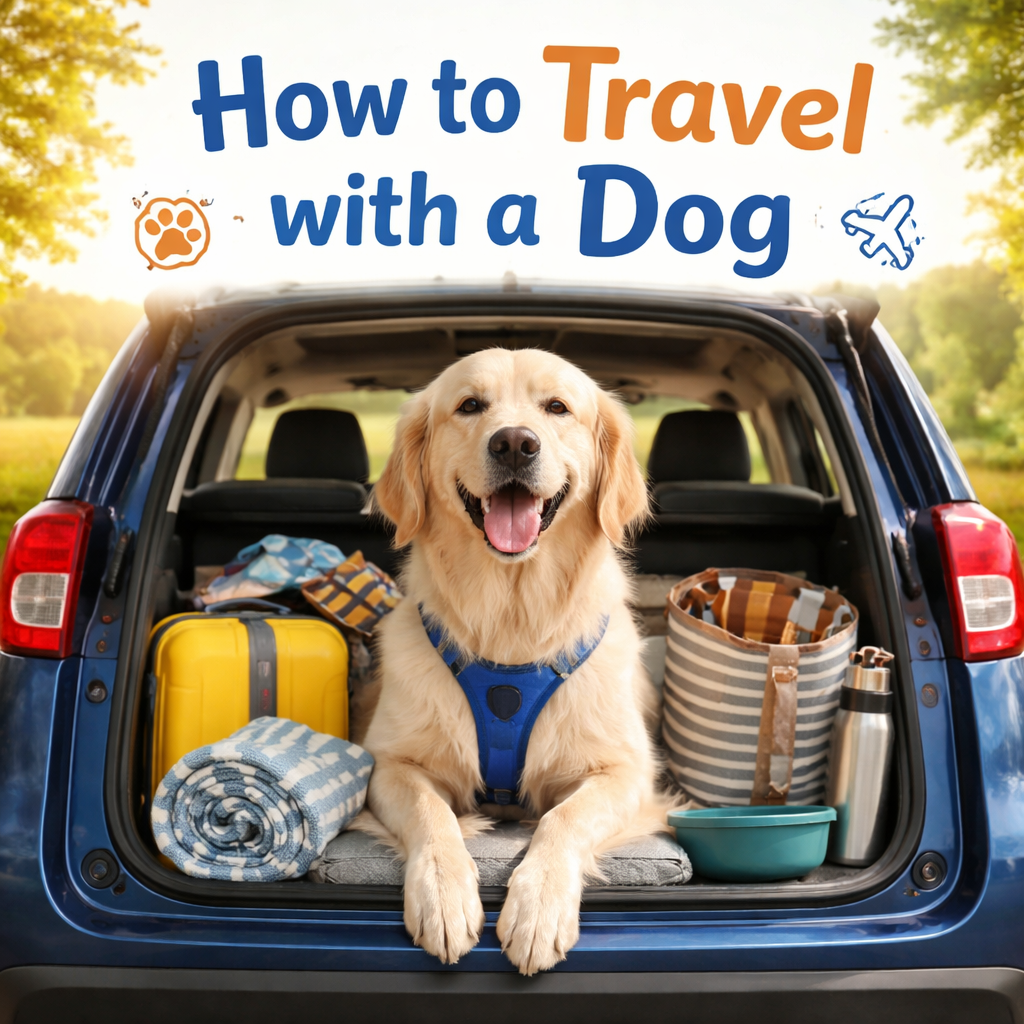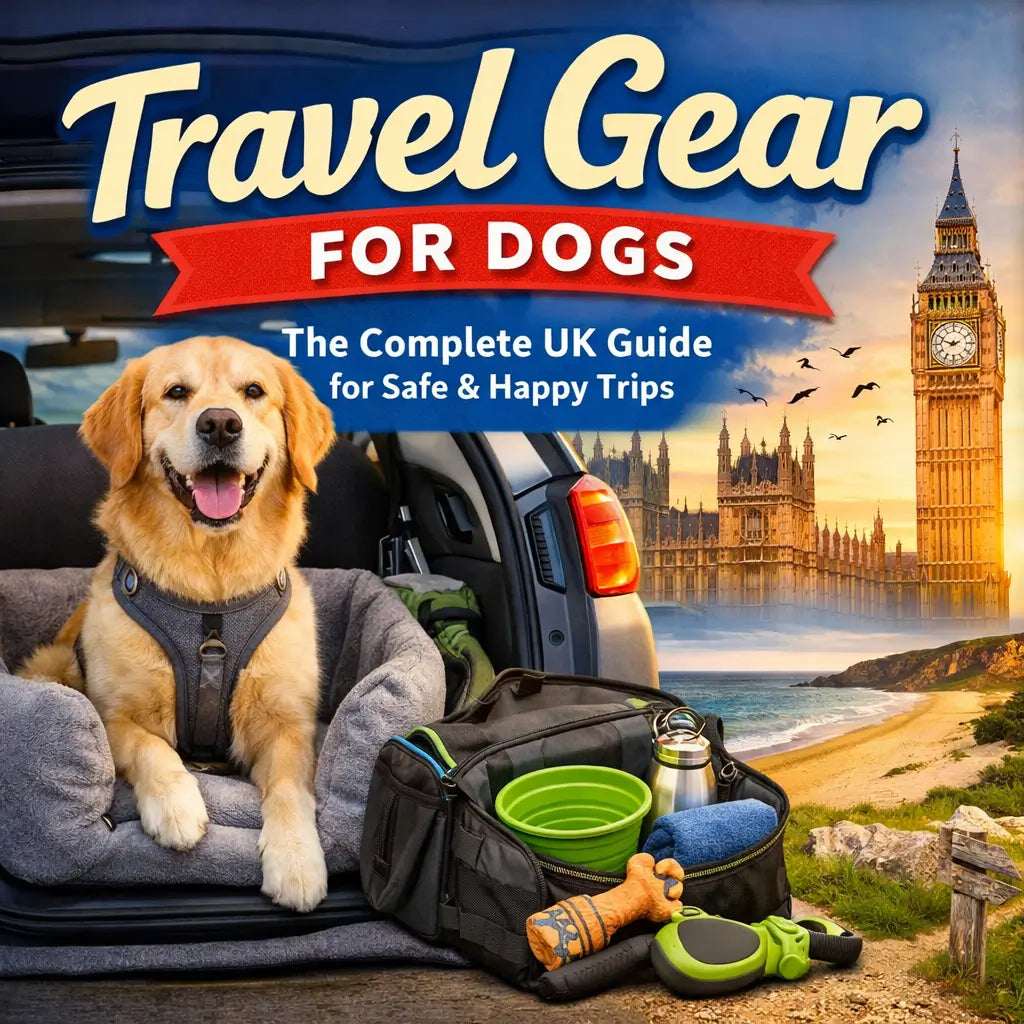


Travelling with dogs has become increasingly common across the UK. From countryside walks in the Lake District to seaside holidays in Cornwall, more dog owners want their furry friend to join them on adventures rather than stay behind. Fortunately, many destinations, hotels, and transport services in Great Britain are now more pet-friendly than ever. This guide explains how to prepare for dog travelling, what rules apply, and how to keep your dog relaxed and healthy on the journey.
Why Travel With Your Dog?
For many pet owners, dogs are not just animals—they are family members. Including your pet dog in holidays and outings can make trips more enjoyable for both of you.
-
Strengthens your bond with your dog: Travelling together allows you to spend more quality time with your dog. Shared experiences such as walks, hikes, and exploring new environments can deepen the connection between you and your pet.
-
Reduces separation stress for your dog: Many dogs feel anxious when left behind in kennels or with pet sitters. Bringing your pet dog along helps maintain familiarity and comfort, which can reduce stress.
-
More dog-friendly places are available: Across Great Britain, many hotels, holiday cottages, parks, and cafés now welcome dogs. This makes it easier than ever to include your furry friend in trips and holidays.
-
Helps maintain your dog’s routine: Travelling with your dog means you can keep their normal feeding schedule, exercise routine, and sleeping habits more consistent, which supports their wellbeing.
-
Provides mental stimulation and enrichment: New places, smells, and activities offer valuable enrichment for dogs. Exploring new environments can keep dogs mentally engaged and happy.
-
Encourages good behaviour and confidence: Exposure to different environments, people, and sounds can help reinforce good behaviour and improve your dog’s confidence over time.
-
Creates memorable experiences together: Including your dog in holidays allows them to be part of family adventures rather than staying behind, making trips more enjoyable for both owner and pet.
Best Dog-Friendly Destinations
Choosing the right destination is one of the most important factors when travelling with your dog. Not every location is equally suitable for pets, so it is helpful to look for places that offer safe outdoor spaces, accessible walking routes, and pet-friendly accommodation.
Countryside and National Parks
Rural destinations are often ideal for larger dogs or active breeds that need plenty of exercise. National parks such as the Lake District, Snowdonia, and the Peak District provide wide open spaces, scenic trails, and plenty of opportunities for short walks and longer hikes.
However, owners should remember that livestock may be present in these areas. Dogs should remain on a lead where required to ensure dog safe interactions with other animals.
Coastal Destinations
Beach holidays are another popular choice for dog travelling. Coastal towns across the UK offer beautiful scenery and plenty of space for dogs to run and explore. Many beaches allow dogs year-round, while others restrict access during peak summer months. Checking local rules in advance helps avoid disappointment.
Beaches also provide opportunities for exercise and enrichment. Playing fetch with a dog stick or simply walking along the shoreline can provide excellent mental stimulation.
Cities and Urban Breaks
City trips can also be enjoyable for dogs if planned carefully. Many cities now have dog-friendly cafés, parks, and transport options. Urban travel works particularly well for small dogs or calm pets that are comfortable around crowds. However, owners should be mindful of busy streets, noise levels, and limited green space.
Regardless of the destination, it is always helpful to choose locations that offer:
-
Access to fresh water
-
Nearby veterinary services
-
Quiet outdoor areas
-
Dog-friendly accommodation
Matching your destination to your dog's personality and energy level will help ensure a positive experience for everyone involved.
Preparing for Your Trip With Dogs
Good preparation is the key to successful pet travel. Before setting off, there are several important steps owners should take to ensure their dog remains healthy and comfortable during the trip.
1. Health and Veterinary Checks
A visit to the vet is recommended before longer journeys or international travel. A veterinary check helps confirm your dog is healthy enough to travel and allows you to discuss any concerns such as travel sickness or anxiety.
Dogs travelling internationally must usually be fully vaccinated, including receiving a rabies vaccination. Depending on the destination, additional treatments such as tapeworm treatment may also be required. An authorised vet can provide the documentation required for travel. These may include an animal health certificate or an EU animal health certificate, depending on where you are travelling.
Official government guidance explains the current requirements for taking pets abroad, If documentation is incorrect or missing, pets could be refused entry at the border.
2. Travel Documents You May Need
For trips outside the UK, documentation is extremely important. Requirements vary depending on whether you are travelling to an EU country, Northern Ireland, or a non EU country.
Documents may include:
-
Animal health certificate
-
EU animal health certificate
-
Microchip information
-
Rabies vaccination record
-
Owner contact details
-
Travel destination and holiday address
Before Brexit, many pets travelled using pet passports. Some pets still have a pet passport issued before the rule changes, which may still be valid under certain conditions.
Border checks may be performed by ferry company officials or airline staff. The ferry company officials responsible for inspections ensure pets meet entry requirements before boarding. Because regulations change occasionally, owners should always confirm requirements with their vet before taking your pet abroad.
Traveling by Car, Train, Ferry or International Routes
Planning pet travel in the UK or abroad requires understanding the rules for different transport methods. Whether you are taking a road trip through Great Britain, boarding a train, or travelling to an EU country, each option has specific requirements designed to keep your dog safe and healthy.
By Car: The Most Flexible Way to Travel With Dogs
For most UK pet owners, travelling by car is the easiest and most comfortable option. It allows you to control the environment, stop whenever necessary, and carry everything your dog needs. With the right setup, such as a secure dog car seat or travel crate, your pet can stay safe and relaxed during the trip.


However, UK law requires dogs to be suitably restrained while in a vehicle. According to the Highway Code Rule 57, dogs or other animals must be secured so they cannot distract the driver or cause injury during sudden braking.
UK Safety Requirements
Acceptable ways to restrain a dog include:
-
Pet seatbelt attached to a harness
-
Dog guard or boot guard separating the boot from the passenger area
-
A secure pet carrier for small dogs
-
A travel crate fixed in the boot for larger dogs
Failing to restrain a dog properly could lead to charges such as driving without due care and attention if the dog causes a distraction.
Practical Advice for Car Travel
-
Give your dog a light meal before travel rather than letting them travel with a full stomach to reduce travel sickness.
-
Take toilet breaks every two hours so your dog can stretch and drink fresh water.
-
Avoid travelling during hot weather, and ensure the car has enough ventilation.
-
Bring favourite toys, dog bed, and familiar items to help maintain your dog’s routine.


Opinion: Car travel is usually the best option for dogs that are nervous or sensitive to crowds. It offers more control over noise levels, temperature, and rest stops.
By Train: A Convenient Option for UK Travel
Train travel can be a convenient option when visiting cities or travelling long distances within the UK. According to National Rail, passengers are generally allowed to bring up to two pets free of charge as long as they remain under control during the journey. Dogs should be kept on a lead, while other pets should be placed in a secure pet carrier.
Train Travel Rules
-
Dogs must remain on a lead or inside a carrier at stations and on trains.
-
Pets are not allowed on seats.
-
Some sleeper trains allow pets but may charge a cleaning fee.
-
Assistance dogs can travel free of charge and have full access to services.
Practical Advice for Train Travel
-
Avoid peak travel hours to reduce stress for your dog.
-
Choose seats near doors or quieter areas of the carriage.
-
Bring water, treats, and a blanket to help your dog settle.
Opinion: Train travel works best for well-trained dogs with calm behaviour, as busy stations and crowds can be overwhelming for anxious pets.

By Ferry: Travelling With Dogs Across the Sea
Ferries are a popular way to travel with pets when visiting islands or travelling between the UK and mainland Europe.
Most ferry operators allow dogs to travel but require them to remain in a pet carrier, kennel area, or designated pet cabin depending on the route. When travelling internationally, pets must use approved travel routes and authorised carriers. Ferry operators are responsible for checking compliance with pet travel rules before boarding.
What Ferry Operators May Check
Before departure, ferry company officials may verify:
-
Microchip identification
-
Rabies vaccination records
-
Valid pet passport or animal health certificate
-
Required tapeworm treatment for dogs entering Great Britain
Practical Advice for Ferry Travel
-
Book pet spaces early, especially during holiday seasons.
-
Bring a comfortable blanket or bedding to help your dog relax.
-
Allow your dog time for a short walk before boarding.
Opinion: Ferry travel can be calmer than flying because dogs remain closer to their owners and experience less environmental stress.
Travelling Abroad With Your Dog
Taking your pet abroad requires additional preparation and documentation. The UK government has strict rules to protect animal health and prevent the spread of disease.
To travel between the UK and an EU country, most dogs must:
-
Be microchipped
-
Have a valid rabies vaccination
-
Carry an Animal Health Certificate (AHC) issued by an authorised vet
-
Receive tapeworm treatment 24 hours to 5 days before entering Great Britain
Older EU pet passports issued before Brexit may still be valid in certain situations, but most UK travellers now require an animal health certificate.
Important Rules for International Pet Travel
-
Pets must travel via approved transport routes into the UK.
-
If documentation is missing, pets may be refused entry or placed in quarantine.
-
Different rules may apply when travelling to Northern Ireland or non-EU countries.
Practical Advice for Travelling Abroad
-
Arrange veterinary appointments well in advance.
-
Keep digital and printed copies of your pet documents.
-
Check entry requirements for your destination country before leaving.
Opinion: International travel with pets can be very rewarding, but it requires careful planning. Many experienced pet owners choose to travel to mainland Europe by car and ferry or Eurotunnel, as it is often less stressful for dogs than flying.
Dog Travel Checklist
A good dog travel checklist ensures you bring everything your pet needs. Forgetting essential items can make the trip uncomfortable for both you and your dog.
Important things to pack include:
-
Enough dog food for the whole trip
-
Portable bowls and fresh water

-
Lead and harness
-
Pet carrier for transport
-
Cleaning supplies and towels

-
Favourite toys or a dog stick for play
-
Vaccination records and contact details
Always pack a little extra food. Having enough dog food avoids sudden diet changes that could upset your dog’s stomach. A blanket, bed, or toy can help maintain your dog’s routine and reduce anxiety during travel.
FAQs
What is the 3-3-3 rule with dogs?
The 3-3-3 rule describes how dogs adjust to a new environment. In the first 3 days, dogs may feel nervous or confused. After 3 weeks, they begin to understand routines. After 3 months, most dogs feel fully comfortable in the new environment. This rule is helpful when traveling because it reminds owners to be patient and keep routines consistent.
How to legally travel with a dog?
To legally travel with a dog, ensure your pet is microchipped, vaccinated, and has the correct travel documents. For international travel, this often includes a rabies vaccination and an animal health certificate issued by an authorised vet.
What is the 7-7-7 rule for dogs?
The 7-7-7 rule is a training concept suggesting dogs need repeated exposure to experiences. A dog should encounter at least 7 new people, 7 new places, and 7 different surfaces to build confidence. This can help dogs adapt better to travel and new environments.
What are the rules for traveling with dogs?
Rules depend on the destination and transport method. In the UK, dogs must be suitably restrained in vehicles according to the Highway Code. For international travel, dogs must meet health requirements including vaccination and official travel documents.
Conclusion
Traveling with dogs can be a wonderful experience when planned carefully. By preparing documents, packing essential items, and keeping your dog comfortable, you can enjoy many adventures together. Always check official rules before travelling abroad, keep your dog hydrated, and provide regular breaks. With the right preparation, you and your furry friend can explore new places safely and confidently.