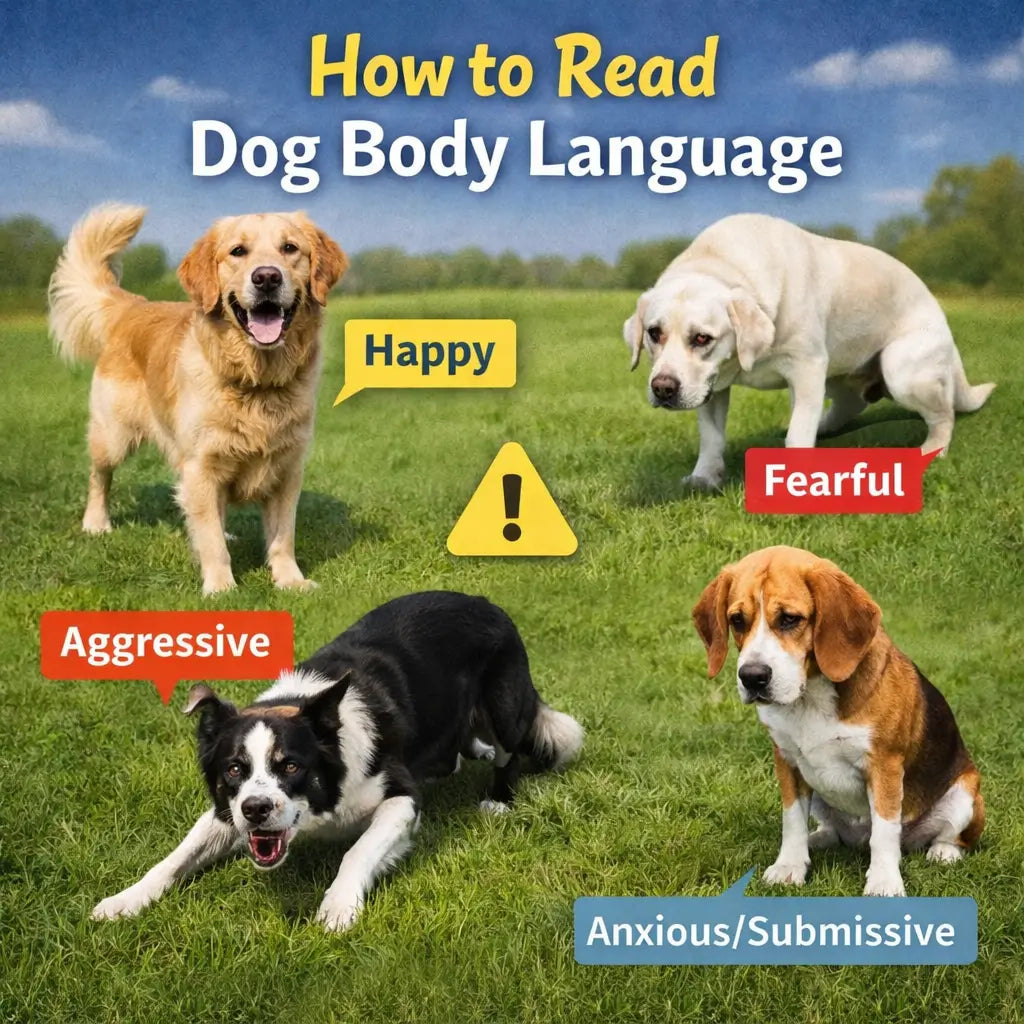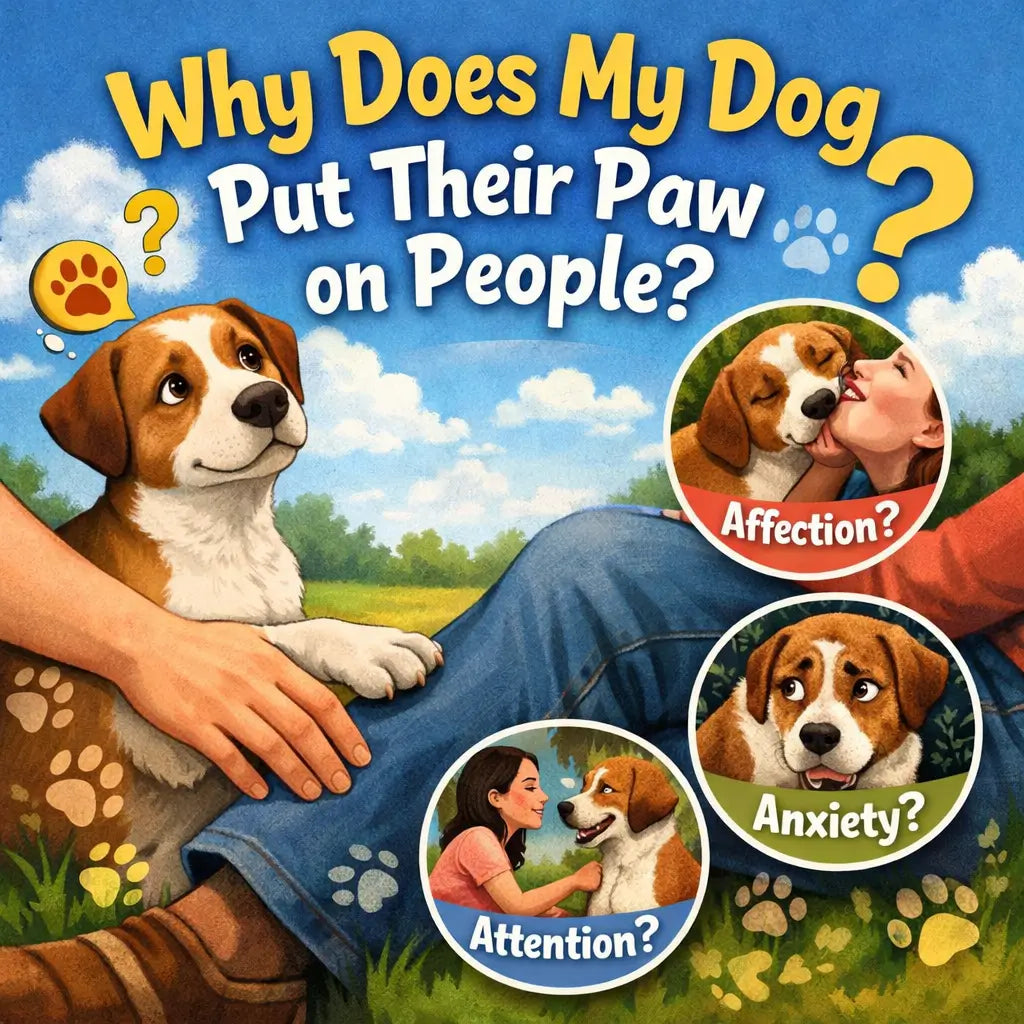


If your dog trails you from the sofa to the kitchen to the loo, it can feel sweet… and a bit exhausting. In most UK homes, this “shadowing” is normal. Dogs are social animals, and staying close is one way they feel safe, learn what’s happening, and keep their favourite human in sight.
It’s also common simply because so many of us live closely with our dogs. The PDSA PAW Mini Report 2025 estimates 30% of UK adults have a dog, around 11.1 million pet dogs. That’s a lot of dogs learning human routines—school runs, work-from-home days, and evening walks.
When I write about this topic, I frame it as four “buckets”:
-
Bond (love and security)
-
Habit (you’re predictable and interesting)
-
Worry (fear of being left)
-
Health (pain or confusion)
My quick rule: steady following is usually fine. Sudden clinginess is your clue to look deeper. If your dog started following you “everywhere” this week, treat it like a message: “Something changed.” By the end of this guide, you’ll know which bucket fits—and your next step. No guilt—just clarity.
The bond: your dog is choosing you for comfort and safety
A lot of the time, following is just love with paws. Dogs stick close to the people who make them feel secure. Your dog isn’t trying to “control” you. They’re saying: “You’re my safe base.”
Welfare groups explain that dogs are naturally social and often prefer company. For example, Dogs Trust’s separation anxiety guidance notes it’s normal for dogs to stay near their social group. Research on dog–owner relationships also uses “attachment” ideas to describe how dogs seek closeness and comfort from their humans.
In a UK home, this can look like your dog leaning on your legs while you make tea, or settling under your desk during Zoom calls. I’ve also noticed it ramps up after big changes: moving house, a new baby, a schedule change, or a rescue dog settling in. Closeness is how many dogs cope.
If this is your situation, your goal isn’t to shut down affection. It’s to keep the bond strong and teach calm independence, so your dog can relax even when you’re not in the same room—without feeling lonely. That balance is the goal always.
Habit and rewards: you may have trained a “little shadow” by accident
I see this pattern constantly: your dog follows, you smile, you chat, you stroke… and your dog thinks, “Brilliant. Following works.” That’s not bad—it’s just learning.
Dogs are experts at routines. If the kettle clicks and you head to the biscuit tin, your dog will be right behind you. If you pick up your coat and they get a walk, they learn to track your every move. In smaller UK spaces (flats, terraces), it’s also easier for dogs to shadow you because rooms are close together.
Here’s a simple 7-day reset:
-
When your dog follows, stay neutral (no fuss, no scolding).
-
When your dog chooses their bed/mat, reward the calm choice.
-
Give them a “job” when you move rooms: a stuffed Kong, a chew, or a sniffy scatter game (great on rainy days).
-
Practise “settle” for 30 seconds while you make a cuppa. In a flat, a baby gate helps you practise short separations safely.
This is the fastest switch I know: pay for independence, not hovering. Over time, your dog learns that relaxing away from you is safe—and even more rewarding today.
Anxiety check: is it normal following, or separation-related behaviour?
Some dogs follow because they’re affectionate. Others follow because they’re worried you’ll vanish. The difference matters, because anxiety needs a kinder, slower plan.
UK charities describe separation-related behaviour as distress when a dog is left alone. RSPCA guidance on separation-related behaviour covers signs like vocalising, destruction, and toileting when left.
I also pay attention to newer research. A Royal Veterinary College (RVC) project with Dogs Trust has explored early-life risk factors for separation-related behaviours in puppies, which helps explain why some dogs struggle more than others. That matters if your dog was a “pandemic puppy,” a rescue, or had a rough start. A simple cam can show what your dog does after you leave.
Quick checklist: if you see two or more, take it seriously:
-
Key/shoes triggers intense shadowing
-
Can’t settle unless touching you
-
Barking/scratching or mess when alone
When should I worry?
Most dogs shadow their favourite person sometimes. But when the behaviour looks like panic, I take it seriously. In my experience, the biggest warning sign is this: your dog can’t settle unless they’re right next to you, and they get worse when they think you’re about to leave.
Here are the red flags I watch for:
-
They follow you and seem tense (panting, pacing, whining).
-
Your keys/coat trigger a meltdown.
-
They scratch doors, bark, or destroy things when alone.
-
They stop eating treats when you step out.
If you see these signs, don’t “push through” with long absences. Your dog isn’t being difficult. They’re frightened.
How I teach independence
When a dog follows me everywhere, my goal isn’t to create distance. My goal is to build confidence. I start small—so small it feels almost silly—because that’s how you avoid panic.
Step 1: Create a safe “base camp.”
Pick one bed/mat in your main room. Toss a treat there every time your dog lies down on it. You’re paying for calm.
Step 2: Practise tiny separations.
I stand up, take one step away, then come back and reward calm. Then I repeat. Over days, I add: “walk to the kitchen,” “touch the door,” “step out for 5 seconds.” The trick is returning before your dog spirals.
Step 3: Pair alone-time with something lovely.
A chew, a stuffed toy, or a scatter of kibble works well. Dogs Trust recommends gradual training approaches for separation anxiety rather than sudden big leaps.
If you need expert help, I always suggest choosing a properly assessed professional via the Animal Behaviour and Training Council (ABTC) practitioner register.
Puppies, adults, seniors: why the “following” changes with age
Age matters more than most people think. When I ask “How old is your dog?” I’m really asking, “What’s normal for their life stage?”
Puppies often follow because they’re learning safety. They’ve just left their litter, and you’re their new anchor. If they haven’t practised short, calm separations, following can become their default.
Adolescent dogs (teenage stage) can look clingy one day and independent the next. Their brains are busy, and routine helps.
Adult dogs usually follow because it’s a habit that works: you move, they move, and sometimes snacks or attention happen.
Senior dogs may follow because their world feels less steady—stiff joints, lower hearing, or confusion can make “staying close” feel safer.
FAQs
Why does my dog follow me to the toilet?
Usually curiosity + habit + love. Toilets are also small spaces where you’re still, so some dogs think, “Finally—cuddles!”
Why did my dog suddenly start following me everywhere?
I treat “sudden” as a clue. It can be pain, stress, or a routine change. If it’s new and intense, I start with a vet check, then look at stress triggers at home.
Is my dog too attached to me?
Not automatically. Attachment is healthy. The problem is when your dog can’t cope without you. That’s when separation-related behaviour may be involved, and the RSPCA guidance is a strong place to begin.
How do I stop the following without breaking trust?
I don’t “stop” it—I redirect it. I reward settling on a bed, build tiny separations, and keep my voice calm.
Who should I contact for help?
If you need training support, I stick to the ABTC register so you can find appropriately assessed practitioners.
Conclusion
When your dog follows you everywhere, it can feel like you’ve gained a tiny, furry shadow. Most of the time, it’s a compliment: your dog feels safest with you. In my experience, that behaviour usually comes from one of four places—bond, habit, worry, or health—and once you know which one fits, the next step becomes much clearer.