

When a dog places a paw on your leg, it can melt you. It feels like a tiny handshake, a hug, or a “hey, I’m here.” But I’ve also heard the other side: muddy paw prints on a winter coat, scratched shins when guests arrive, or a dog pawing your arm every 30 seconds while you try to eat.
In the UK, this happens a lot simply because dogs are truly part of daily life. The PDSA estimates 30% of UK adults have a dog, around 11.1 million pet dogs. More dogs in homes means more “little behaviours” that owners want to understand.
In this guide, I’ll show you what pawing usually means, how I decode it fast, and how to respond in a way that keeps your bond strong and your dog polite.
The language of paws
I treat pawing as a message, not a moral issue. Dogs don’t have hands, so paws become a simple way to get your attention and make contact. Vets often describe pawing as a natural communication tool that can point to an unmet need—like access, attention, or comfort.
What matters is context. A paw placed gently while you’re relaxing is different from a sharp pawing jab when you stop stroking. One is connection; the other might be a learned habit: “When I paw, humans respond.”
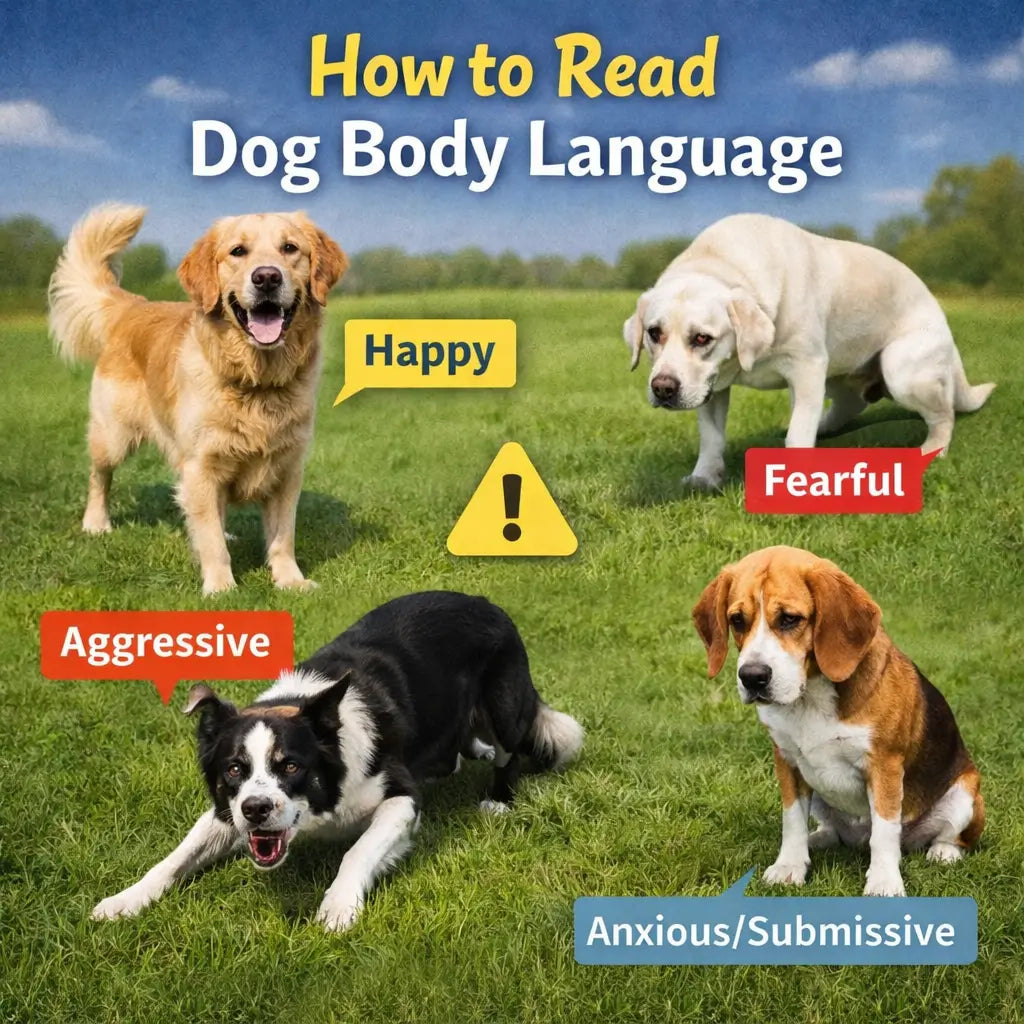
This is why I always pair “paw meaning” with body language. The RSPCA’s UK guide has clear illustrations of relaxed vs worried vs aggressive signals, which helps you read the paw as part of the whole dog.
The good news: once you understand the “why,” you can guide the “how” (a calmer way for your dog to ask).
My 10-second context check
When I’m not sure what pawing means, I run a quick check:
Step 1: What just happened?
Did you stop petting? Pick up the lead? Sit down with food? Open the laptop?
Step 2: What does the rest of the body say?
Loose body and soft eyes usually mean “friendly request.” Stiff body, wide eyes, or a tight mouth can mean stress.
Step 3: What does the paw do next?
A single gentle touch is often polite. Repeated pawing, scratching, or climbing can be demand behaviour.
If you want a simple safety framework, I like the PDSA’s “canine ladder of communication” idea: dogs often show smaller signals first, then escalate if the message isn’t heard.
This check takes seconds, but it stops the biggest mistake I see: rewarding the wrong thing because the owner misread the moment.
10 common reasons dogs paw people
Here are the reasons I see most often:
-
Affection: “I want contact” (sofa cuddles).
-
Attention: “Look at me” (you’re on a call).
-
More stroking: you stopped, they want round two.
-
They want something: lead, garden door, toy, water.
-
Excitement: greetings at the front door.
-
A learned trick: “give paw” got laughs, so it repeats.
-
Reassurance: fireworks, guests, or a new environment.
-
Overstimulation: kids running around; dog can’t settle.
-
Habit that works: humans respond fast, even if it’s “stop it!” (negative attention still counts).
-
Discomfort: sudden clingy pawing, especially with other changes—time to talk to your vet.
Your job is not to punish the paw. It’s to understand the reason and teach a clearer, kinder “ask.”
Pawing vs “paw lift”
Owners often lump these together, but I separate them.
Pawing is active: your dog touches you to make something happen—attention, food, play, comfort. It’s a behaviour that often gets reinforced because it works.
Paw lift is more like a pause: one front paw raised while the dog looks unsure, focused, or conflicted. The RSPCA’s body language illustrations include raised paw as part of “worried” signals in some dogs, especially when paired with lowered head and avoidance.
So if you see a lifted paw plus a tense face, don’t assume it’s cute. Treat it like information: “I’m not fully comfortable.” Give space, lower the pressure, and let your dog choose. That one moment of respect can prevent bigger stress later.
When pawing becomes a problem
I don’t worry about occasional pawing. I do worry when it becomes the dog’s main way to cope or communicate.
It’s a problem when:
-
People get scratched, especially children or older relatives.
-
Pawing escalates into jumping or climbing on visitors.
-
Your dog seems unable to settle unless they can paw you.
-
The behaviour spikes suddenly (possible pain or anxiety).
For greetings, I treat pawing and jumping as cousins. Dogs Trust explains how jumping up is often rewarded by attention and gives a clear plan to change it. Battersea also frames it simply: teach dogs they get attention for calm behaviour, not leaping or pawing.
If your dog’s pawing is frantic, intense, or paired with worried body language, don’t “wait it out.” It usually gets stronger with practice.
What to do in the moment
Here’s what I do when a dog paws me and I want to respond kindly without encouraging it.
1) Pause and breathe.
Big reactions (laughing, pushing, scolding) often fuel the behaviour. Pawing can be attention-seeking, and any attention can reward it.
2) Check the body.
If the dog looks tense or worried, I lower pressure—step back, soften my voice, give space.
3) Offer a clear alternative.
I ask for a simple behaviour: “sit,” “down,” or “go to mat.” The second paws are on the floor, I reward calmly.
4) Meet real needs, but not through pawing.
If they need the loo or water, I help—but I wait for a calm second first. That way the dog learns: calm gets results.
This approach keeps my relationship warm and clear. I’m not ignoring my dog. I’m teaching them a better way to speak.
How I reduce unwanted pawing
If you want less pawing, you need a plan that’s simple enough to follow when you’re tired.
Day 1–2: Stop accidental rewards.
When your dog paws, go still. No eye contact. No talking. The moment paws stop, reward calm.
Day 3–4: Teach a replacement “ask.”
I love “touch” (nose to hand) or “sit.” Now your dog has a polite button to press.
Day 5–7: Practise real-life triggers.
Food prep, lead time, guests arriving. Set your dog up to succeed with distance, a baby gate, or a lead by the door.
If your dog paws visitors, use the same idea behind “four paws on the floor.” Dogs Trust and Battersea both focus on rewarding calm greetings and being consistent.
Expect a small “extinction burst” (it may get worse briefly). That’s normal. Stay steady.
UK etiquette
In the UK, pawing isn’t just a home issue—it’s a public manners issue. A friendly dog pawing strangers in a park can still scare someone, or scratch their clothes.
I anchor this section to one simple idea: your dog should be safely managed in public spaces. You can be fined if your dog is out of control in public, and there are serious consequences if a dog becomes dangerously out of control.
My real-life fixes:
-
Front door: clip the lead on before opening; reward “sit” for greeting.
-
Pub/café: bring a mat and a chew; if pawing starts, it’s often boredom or stress—take a short outside break.
-
Park hellos: don’t let your dog practise pawing as a greeting. Ask for “sit,” then release to say hello calmly.
Polite paws protect your dog as much as they protect people.
FAQs
Is pawing dominance?
Almost never. It’s usually communication or habit. Look at the whole dog, not the myth.
Why does my dog paw me when I stop petting?
Often it’s a request for more contact—and they’ve learned it works.
Why does my dog paw at night?
Common reasons: needing the loo, wanting comfort, or routine. If it’s new, check health.
Why does my dog paw visitors?
Excitement + attention payoff. Use a calm greeting plan (sit + reward), like Dogs Trust and Battersea suggest for jumping and greetings.
Should I ever punish pawing?
I don’t. I remove rewards and teach a better “ask.” It’s clearer and keeps trust intact.
Conclusion
When I see a paw on a knee, I try to hear what the dog is really saying. Sometimes it’s love. Sometimes it’s “I need something.” Sometimes it’s worry. And sometimes it’s just a behaviour that has paid well for a long time. Vet guidance often describes pawing as communication that can be reinforced by human response, which is why it becomes a habit so easily.
My favourite outcome isn’t “no pawing ever.” It’s a dog who can ask politely, settle calmly, and greet people without scratching or climbing.